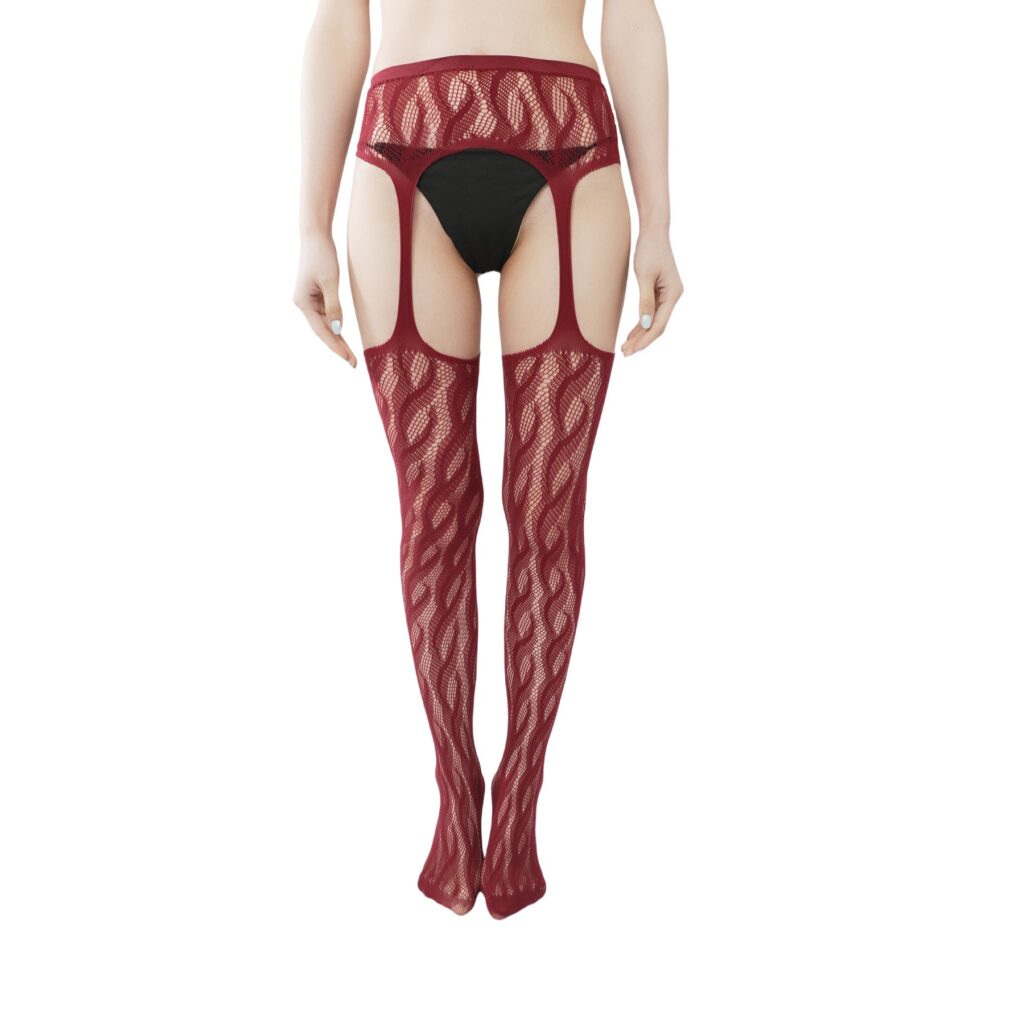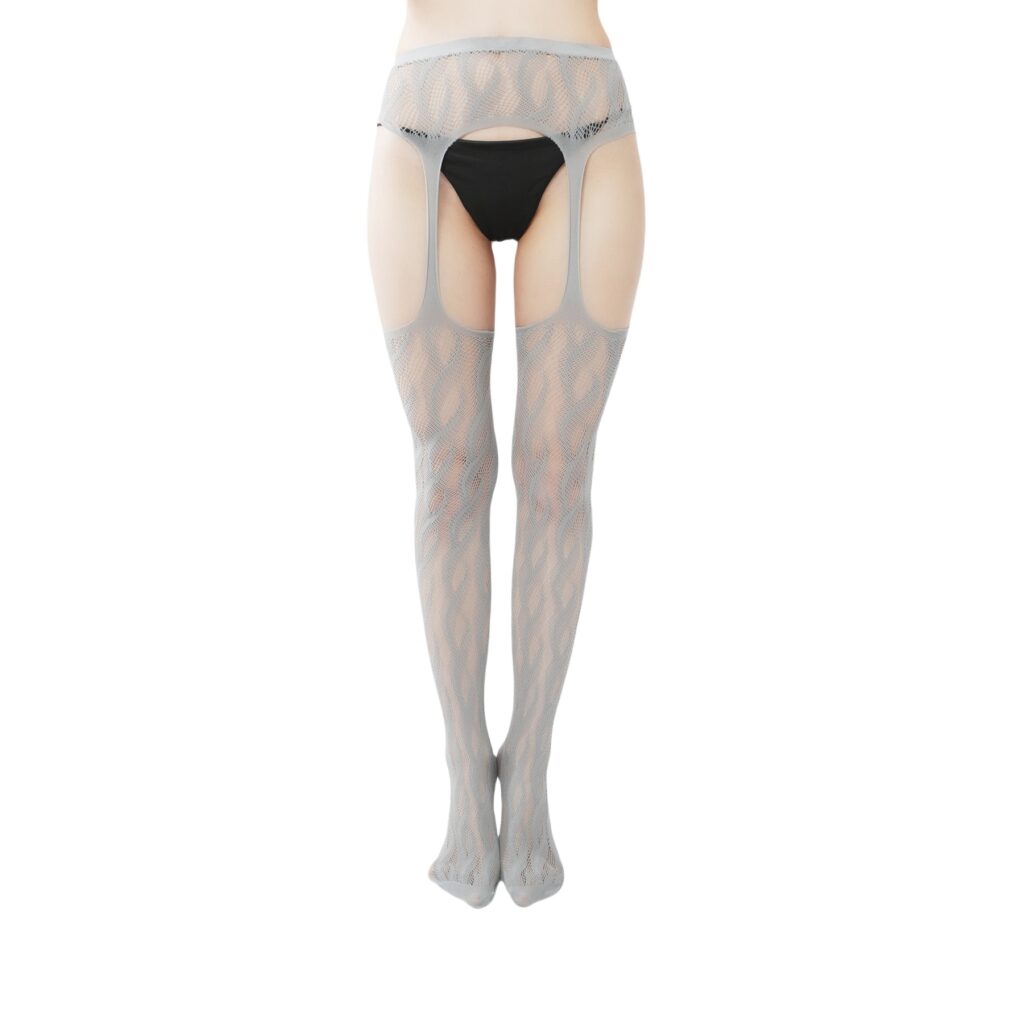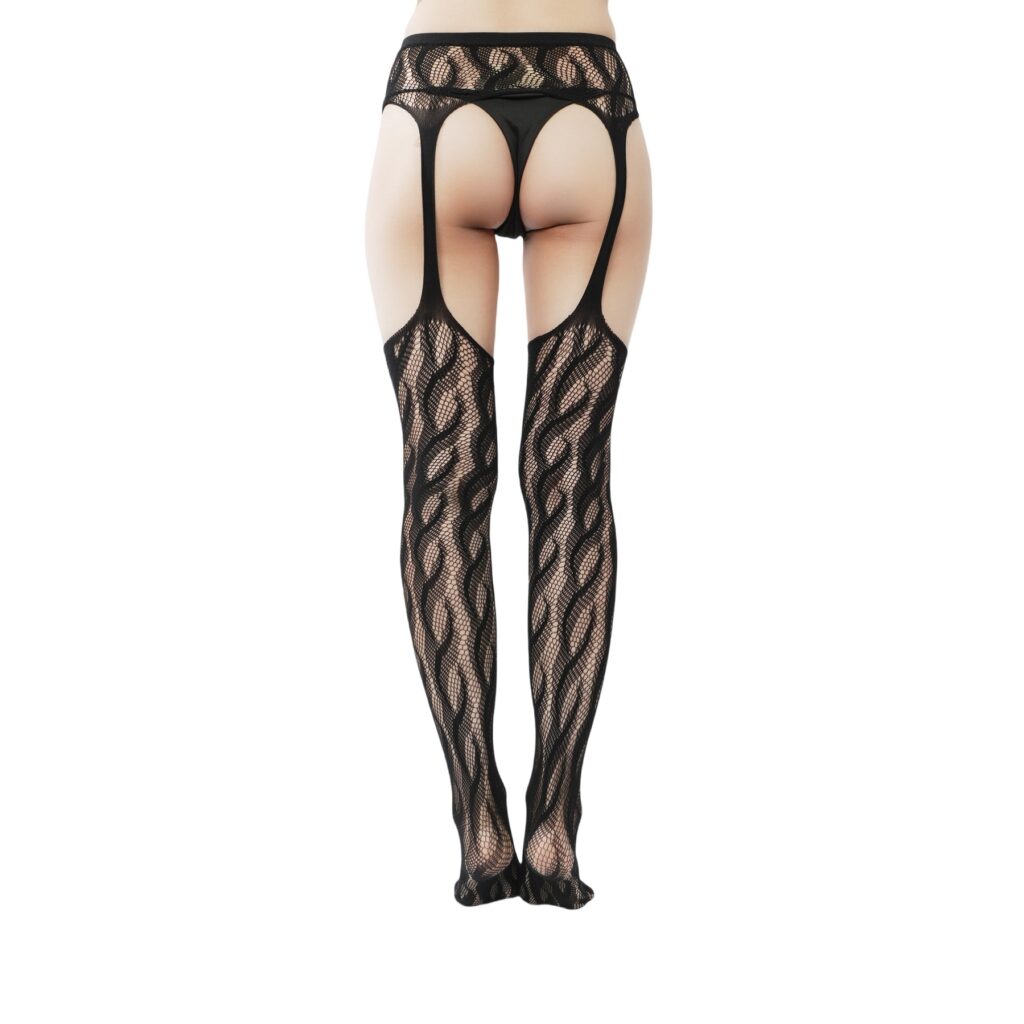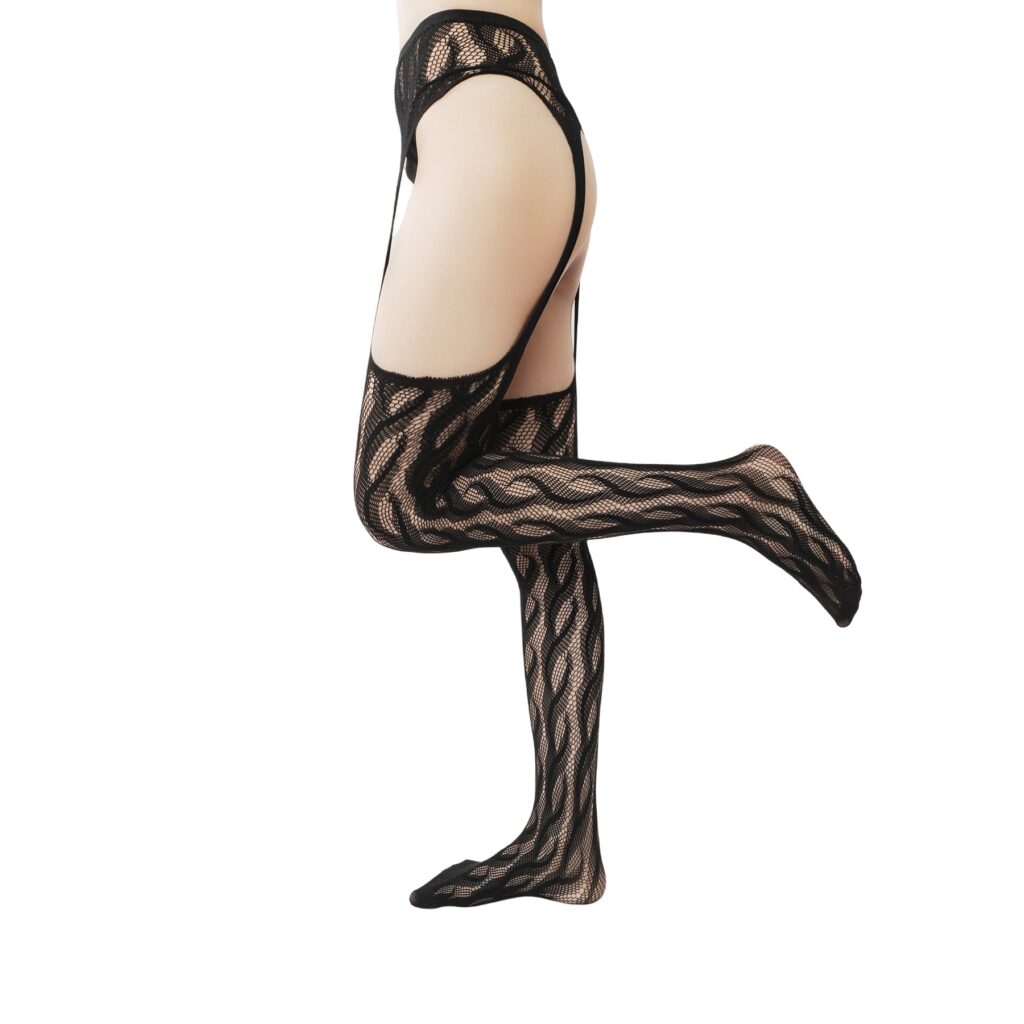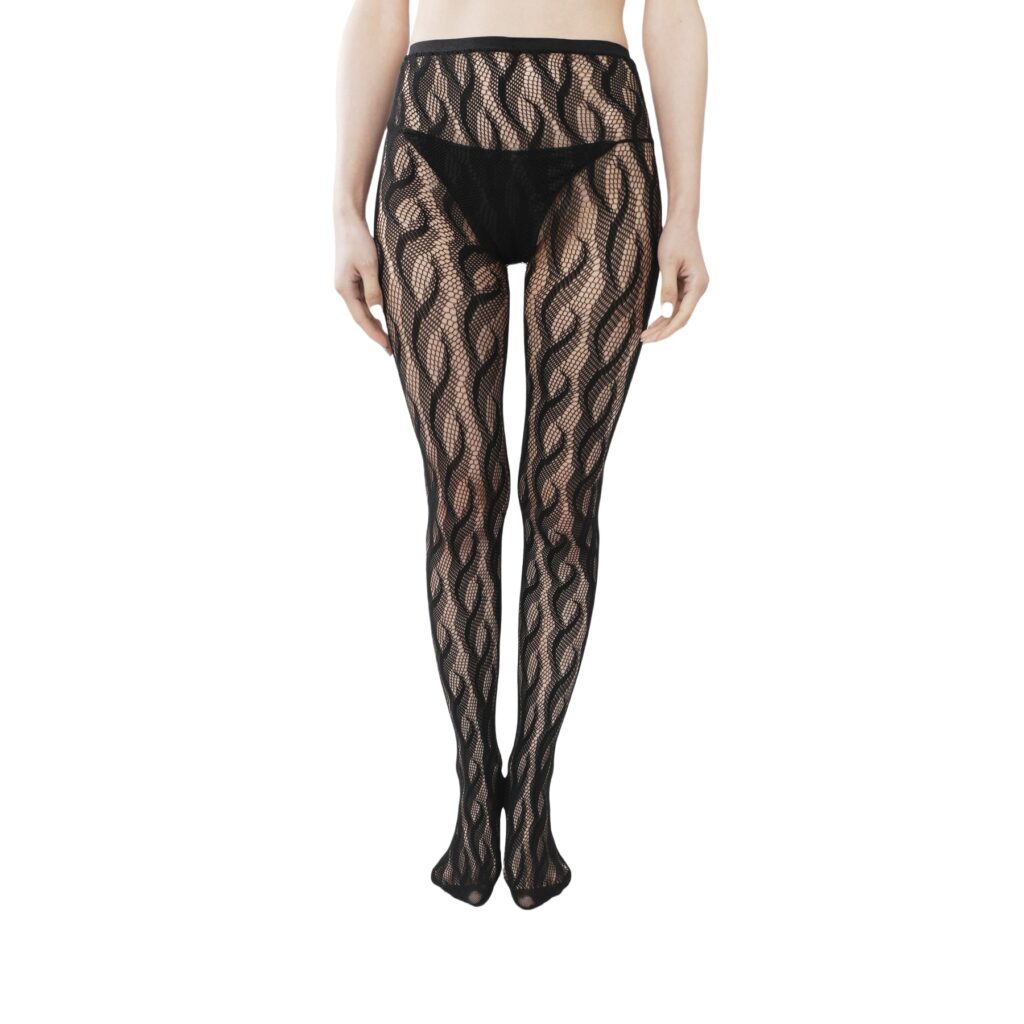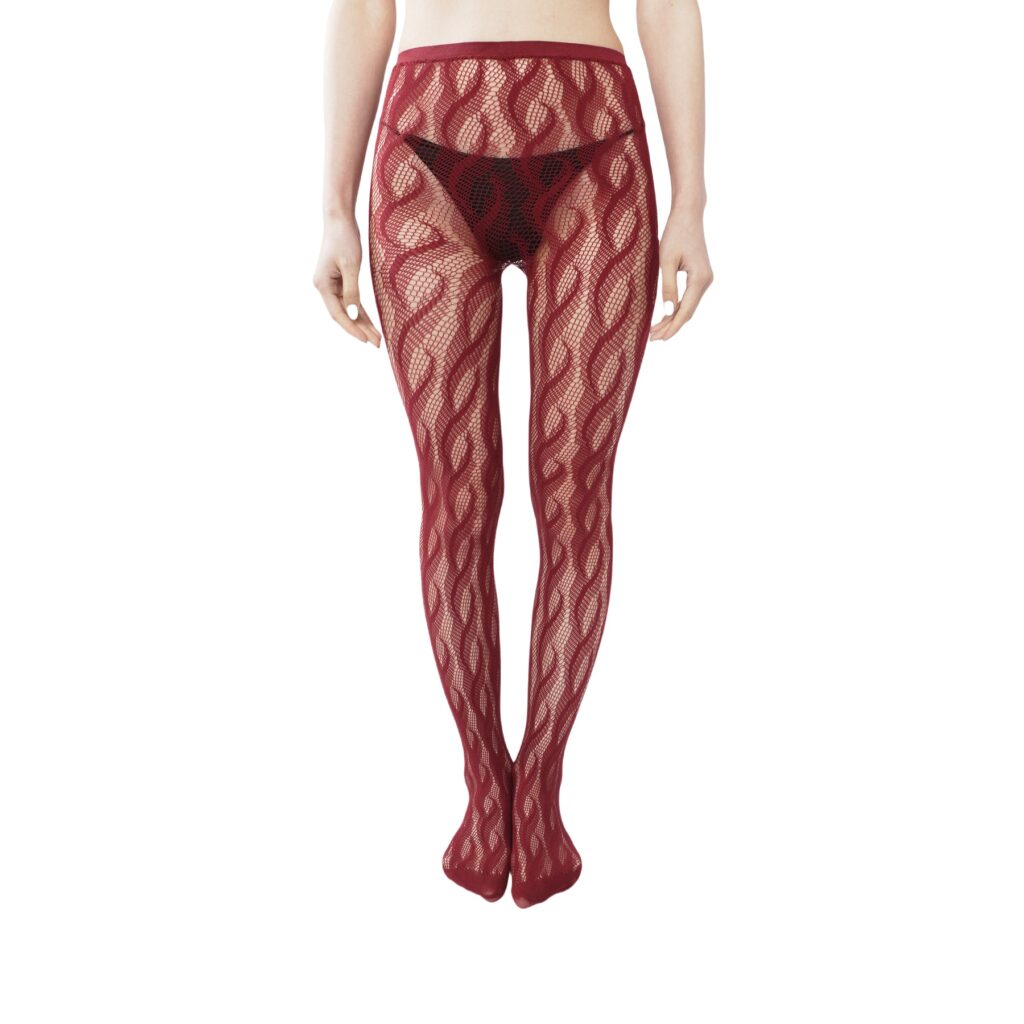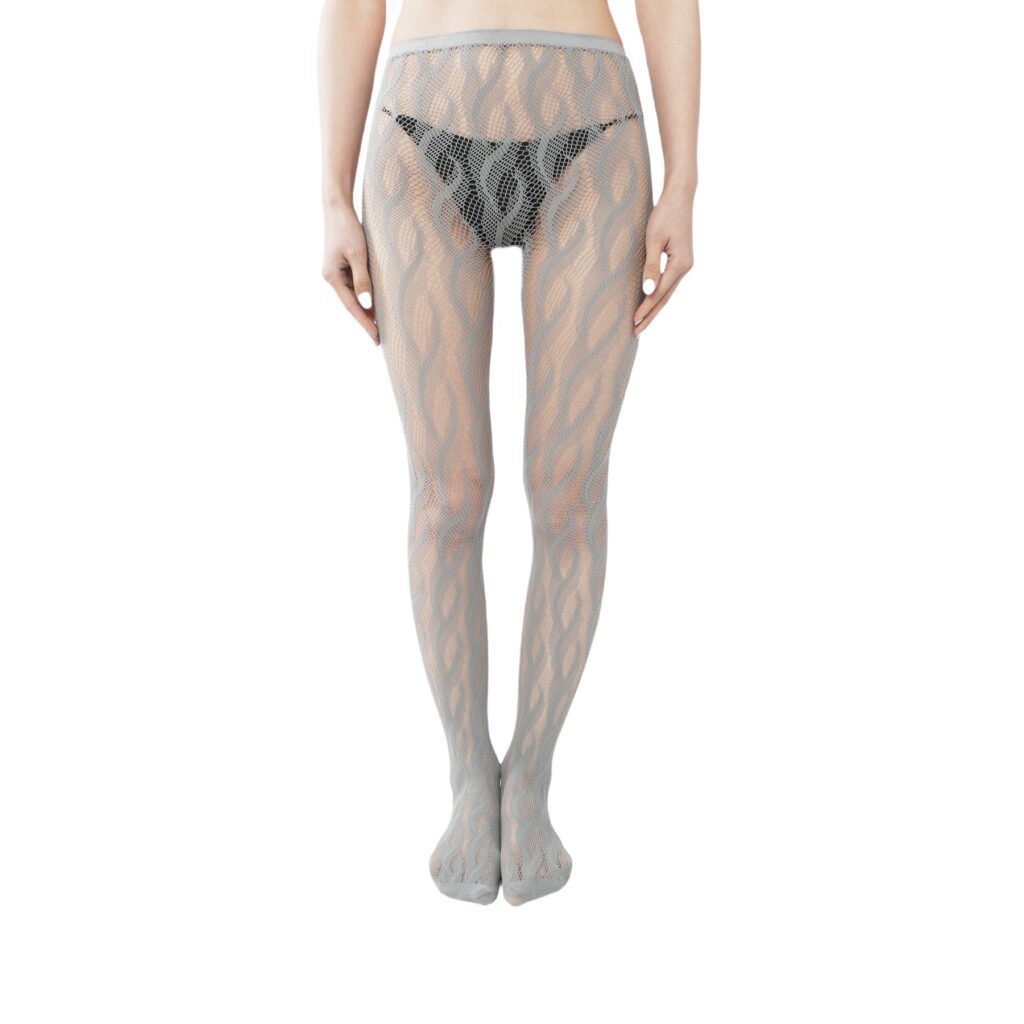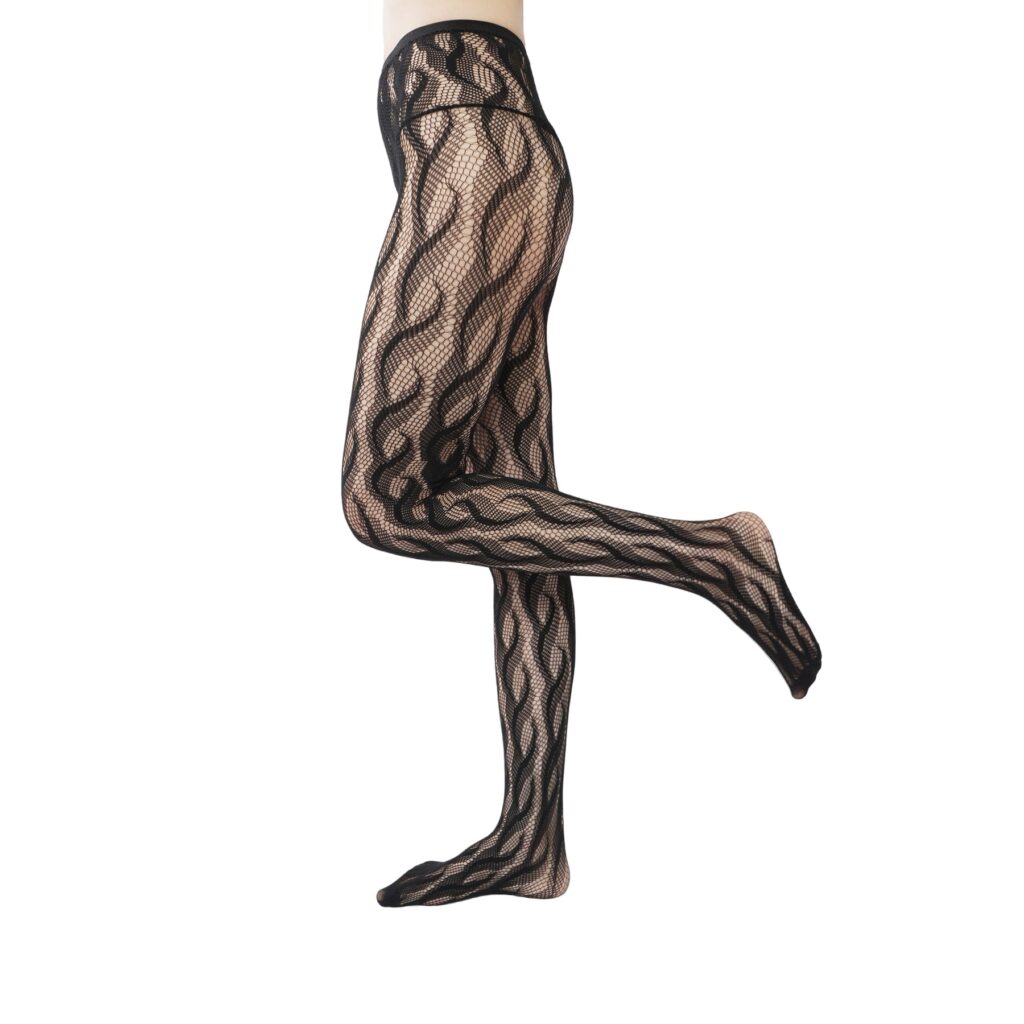
Categories
Blog

Mary Quant, pioneering designer who created the 1960s look more than mini skirt and colored tights

Before Mary Quant, running upstairs in a skirt or crying in mascara was nearly impossible. But everything changed in the 1960s. Mary Quant made miniskirts popular and designed practical clothes for working women. Now, a feature-length film directed by Sadie Frost explores her life and legacy.

The film follows her journey—from opening a Chelsea boutique to creating the world’s first global fashion superbrand. While today’s designers bring trends, Mary Quant completely changed how women dress.

Thanks to her, women stopped following their parents’ beauty rules. Instead, they chose their own style. Her influence is still strong today.

The miniskirt

It’s perfect timing that this look back at Mary Quant’s influence comes just as the miniskirt is making a huge comeback. Or maybe it’s a hopeful sign—life might be about to get better.

Quant is often credited with creating the miniskirt. She even named it after her favorite car, the Mini Cooper. To her, short skirts meant “life and tremendous opportunity.”

“She brought a party atmosphere,” says Jenny Lister, fashion curator at the Victoria and Albert Museum. “It was a renaissance. Young people met new friends, heard new music, and finally felt free to be themselves.”

Today, designers seem inspired by that same bold spirit. At recent Paris shows, thigh-skimming skirts were everywhere. Dior’s Maria Grazia Chiuri and Alaïa’s Pieter Mulier both embraced the look.

“I really like the energy of the younger generation,” said Chiuri. “The miniskirt shows that free, fearless spirit.”

The original workwear

“Clothes are a statement about what one wants to be,” said Mary Quant. For her customers—many of them the first to use the contraceptive pill and plan both careers and families—freedom came first.

As her godson Jasper Conran says in Sadie Frost’s documentary, “The young working girl set the pace.” That’s exactly where modern workwear began.

Today’s dynamic, versatile style owes a lot to Quant. She made clothes that fit real life. “She was the first to make outfits you could run for the bus in,” says retail expert Jane Shepherdson.

Quant brought fashion and flexibility together. Her designs helped women move freely and live on their own terms.

Saying no to stockings

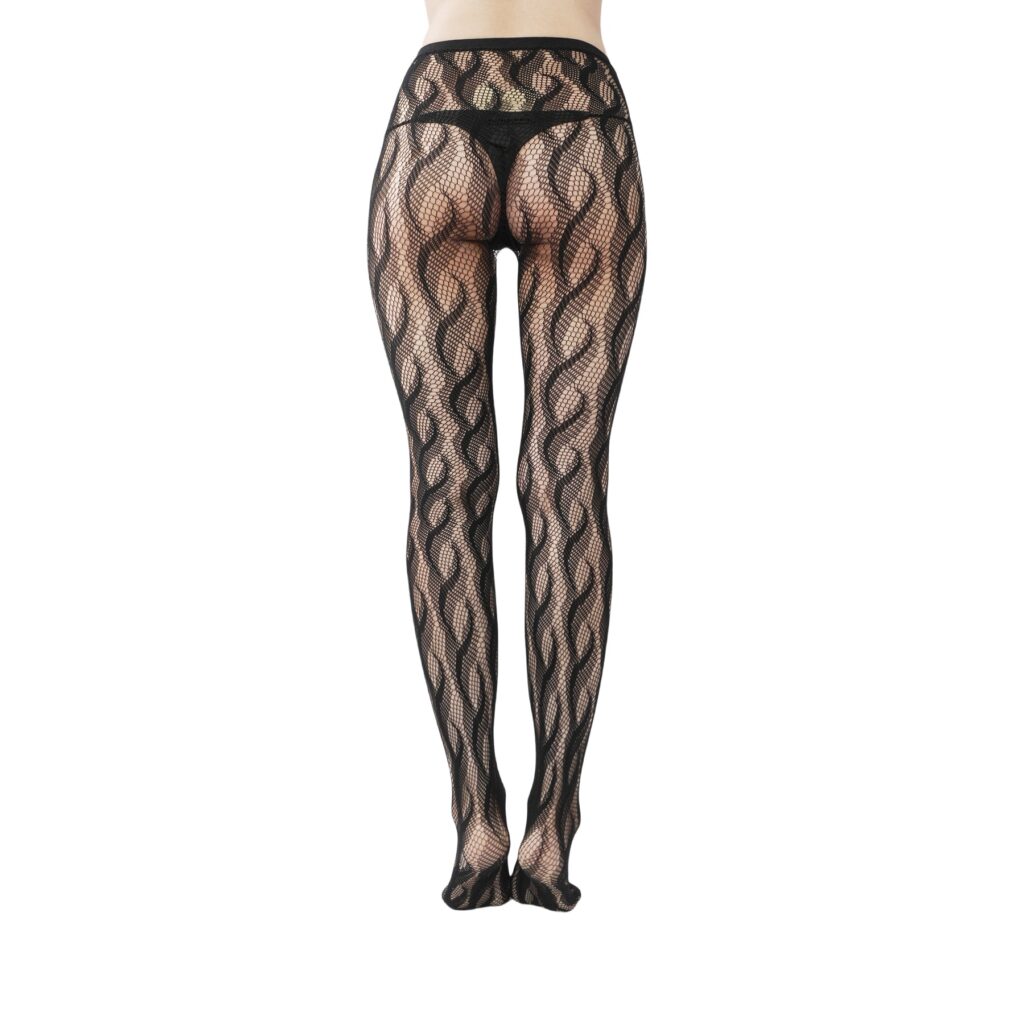
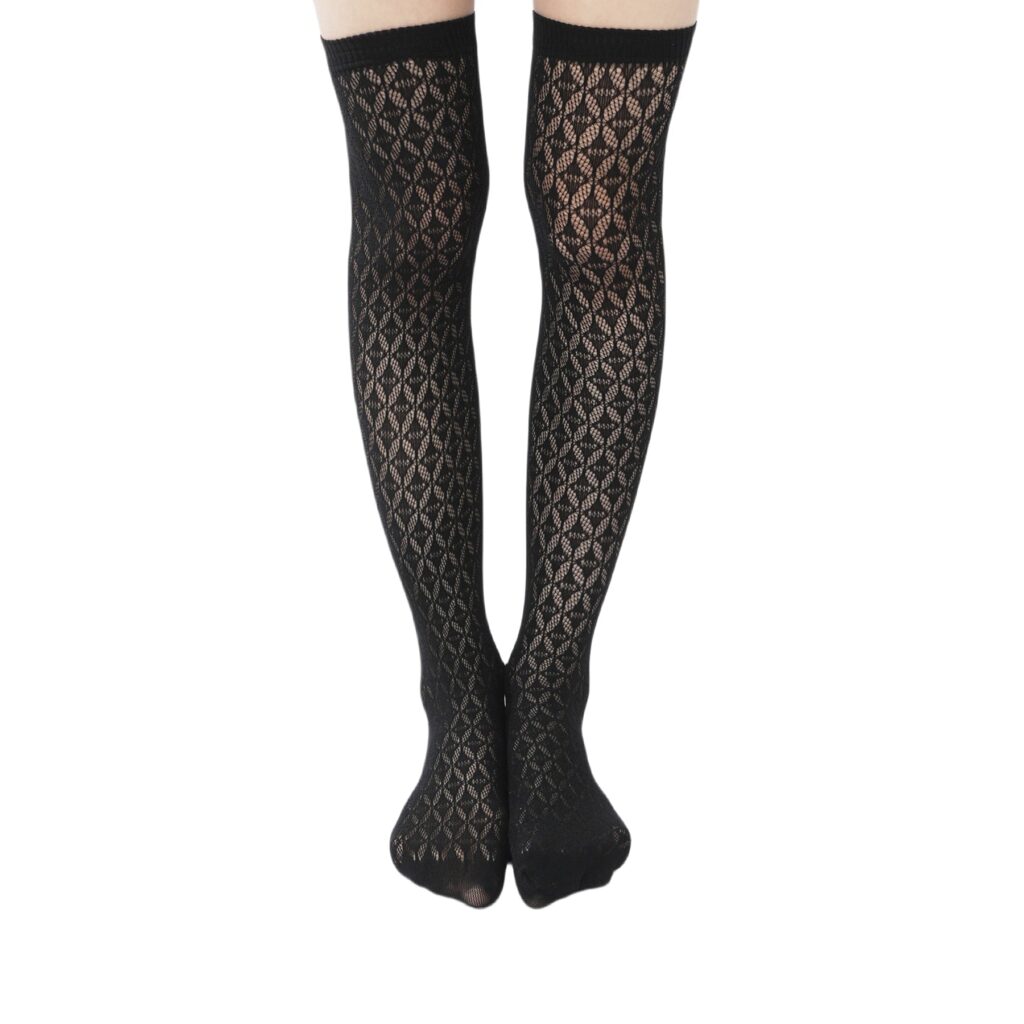
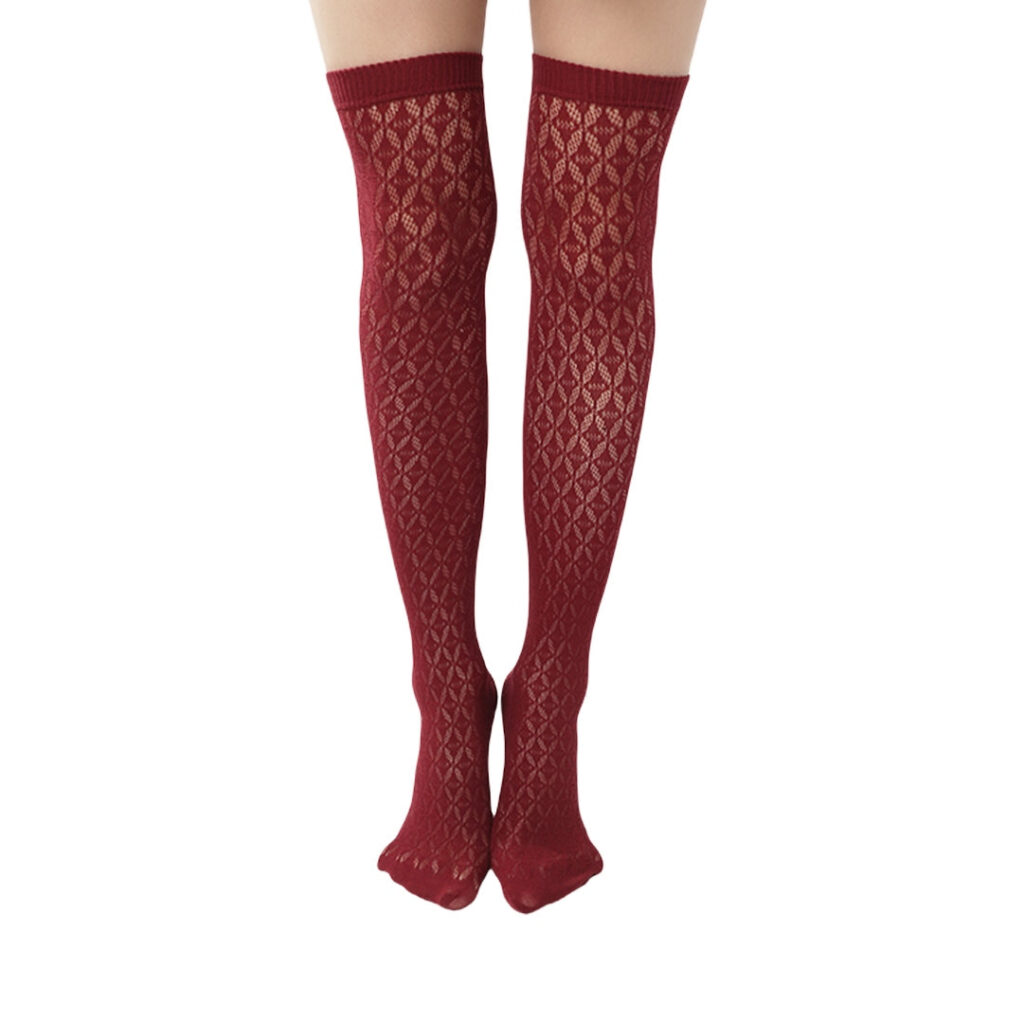
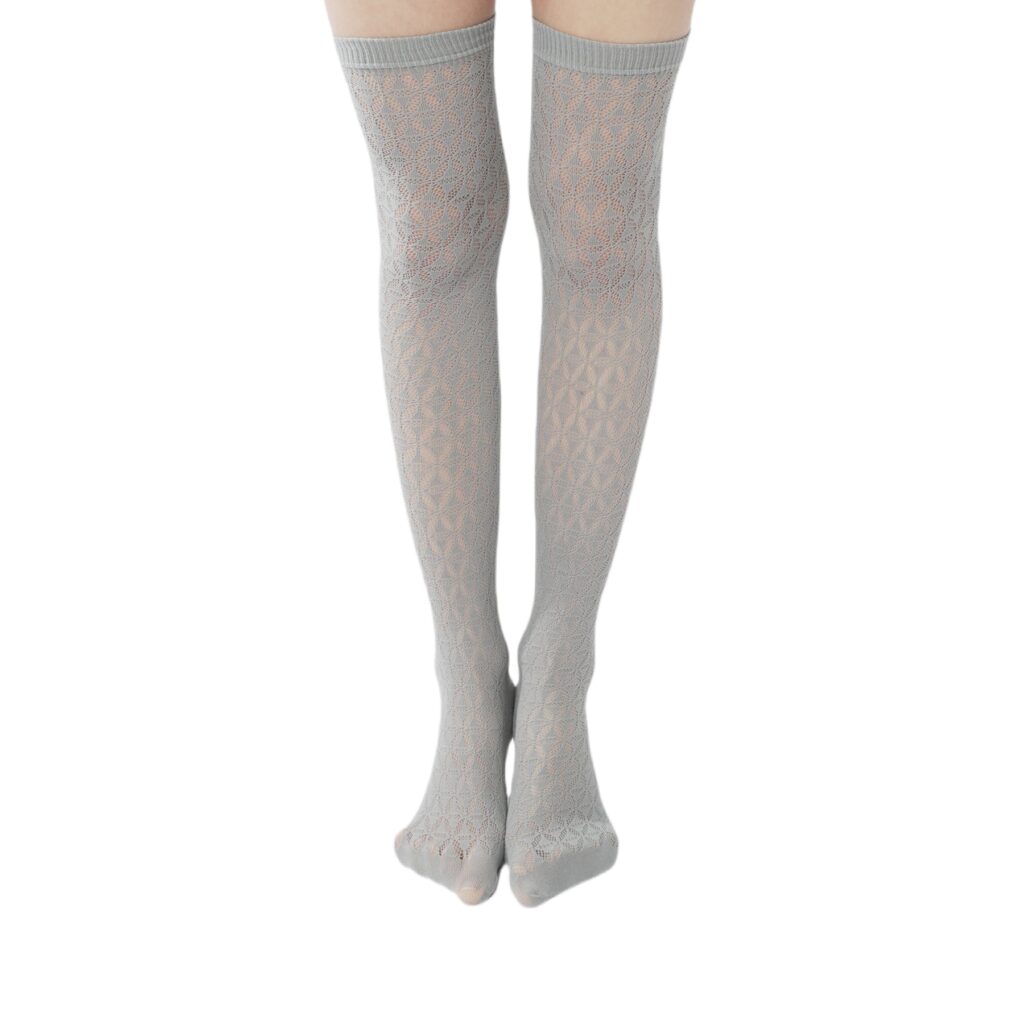
Tights didn’t truly take off until Mary Quant made them mainstream. “Quant didn’t invent tights, but she made everyone aware of them,” explains Jenny Lister.

Looking for the perfect match for her bold skirts and dresses, Quant turned to hosiery. It became her secret weapon—and one of her most overlooked innovations.

By teaming up with the Nylon Hosiery Company, she designed tights in rich jewel tones to match her collections.

Now, tights are back in the spotlight. This season, McQueen brings sparkle with diamanté styles, while Falke launches bold tights in bright primary colors.

Clearly, Quant’s hosiery legacy still shapes fashion today.

Pockets with everything

Next time you slip your phone into a dress pocket or tuck your hands into a jumpsuit at a party, thank Mary Quant. Even Victoria Beckham swears by this move.

Quant once said, “The pockets make the dress.” She saw their power long before the rest of fashion caught on.

While designing for women who wanted freedom from their mothers’ style, she made the pocket a symbol of modern living.

It wasn’t just practical—it was empowering. A place for lipstick, bus fare, or simply your hands when you needed confidence.

The ‘boyfriend’ fit

Gender-fluid fashion is often called the future, but Mary Quant was already there. She saw that men’s knitwear had the relaxed, casual feel she wanted.

So, she bought men’s suits from Harrods and redesigned them for women. Then, she worked with Scottish knitwear makers to create loose, easy cricket sweaters.

That laid-back, oversized look became a signature of her brand. Today, it’s still going strong.

Modern designers love those masculine fits. And Gen Z shoppers on Depop can’t get enough—cricket knits are now sweater dresses and resale gold.

Quant started a style revolution. She’d definitely be proud.

Athleisure 1.0

Our love for clothes you can wear on the sofa or to the gym peaked during the pandemic. But without Mary Quant, athleisure might not exist at all.

For Quant, jersey was the original Lycra. She was the first designer to back a fabric simply because it was soft, comfy, and wrinkle-free.

After a trip to the US, she discovered “house wear” and took it to the next level. In the late ’60s, she launched adult-sized babygrows—part tracksuit, part robe.

It was the first adult onesie. Cool, cozy, and way ahead of its time.

The skinny-rib sweater

Skinny-rib style became a fashion staple thanks to Mary Quant. In her 1966 biography, she recalls trying on an eight-year-old boy’s top—and loving the fit.

That fine-knit, ribbed sweater was a perfect match for her iconic pinafores.

Together, they created a fresh, youthful look that quickly caught on.

Soon, women around the world were copying the style. Quant had set another trend in motion.

Party flats

For Mary Quant’s women—who worked by day and danced by night—flat shoes made perfect sense.

Before Quant, flats were seen as plain and practical. But she turned them into something stylish and glamorous.

“Everyone wearing trainers now is part of that same evolution,” says Jenny Lister.

Quant wanted shoes that were comfortable, practical, and still looked great. By doing so, she completed her modern look.

Most importantly, she helped women walk a new path—one of freedom and style.

Fun-proof mascara


“Now that the clothes are different, the face was wrong,” Mary Quant said in 1968, realizing women needed makeup to match the look.

Her groundbreaking cosmetics line soon followed, with waterproof mascara at its heart—something totally new at the time.

With Quant’s designs, women could run for the bus, work all day, and even shed a tear—all while looking great.

“Quant eliminated the idea that women had to act a certain way,” says Jenny Lister. “Instead, she created space for people to be themselves.”

Categories
Blog

Fashion People Are Accessorising Like It’s 2008 Again-Framed Glasses,Bangles and Cuffs, Colored Tights…

Coco Chanel once said, “Before leaving the house, remove one item.” But in 2025, that rule no longer applies. In fact, thanks to stars like Kylie Jenner and her head-to-toe Chanel looks, accessories are making a big comeback. Over the past year, we’ve seen a full accessory revival. Maybe it’s a reaction to quiet luxury trends. Or maybe it’s just fashion repeating itself—remember Sienna Miller’s belts, chunky necklaces, bags, and hats?

But this time, it’s not just celebrities embracing the “more is more” vibe. Now, everyone’s joining in. From kitschy tights and bold ties to sparkly shoes and even bonnets, 2025 is shaping up to be the year of extra. Fashion lovers everywhere are adding more flair, more fun, and more personality to every look.

This love for accessorizing—sometimes even over-accessorizing—isn’t tied to just one age group. Instead, it’s trending across all generations. While nostalgia-loving millennials dig out their old boho Chloé belts, Gen Z shoppers are busy curating their Vinted wishlists with hyper-specific searches. Terms like ‘00s sunglasses,’ ‘Y2K baguette bag,’ ‘knitted bonnet,’ and ‘bag charms’ are soaring in popularity, giving fashion fans endless affordable options right at their fingertips.

The real appeal of accessorizing—and why it’s set to soar in 2025—is its accessibility. Adding accessories is an easy, affordable way to upgrade any outfit. It’s perfect for a budget-conscious generation and ideal for those tired of fast-changing micro-trends. Instead, more people are using accessories to build a personal, lasting style.

Together, we’re bringing playfulness back to fashion—one accessory at a time. Whether it’s a statement hat like Chappell Roan’s hennin at the Grammys or chic glasses like Doechii’s, it’s all about having fun. Personally, I love the idea of walking around with a mini Diet Coke can charm, Anya Hindmarch-style. Sure, it costs £295, but hey, a girl can dream! Keep reading for the top Y2K-inspired accessory trends I’ve added to my 2025 mood board.

Framed Glasses

Right now, stylish glasses are the fashion set’s go-to for upgrading a basic outfit. Just scroll through Bella Hadid or Hailey Bieber’s feeds—chic frames are everywhere. The best part? You don’t need a prescription. Thanks to the rise of blue light lenses, you can rock as many trendy styles as you want while also protecting your eyes from screens. My top inspiration? Giselle Bündchen in The Devil Wears Prada—say no more!

Hats (of All Descriptions!)

From fluffy bucket hats (hello, ‘90s Pamela Anderson) to classic berets and crochet bonnets, hats are making a major comeback. In 2025, they might finally shake off their novelty label and become everyday essentials. It’s been a while since headwear felt this fun and diverse—but now, nothing is off limits. Just this week, Kendall Jenner rocked a baker boy cap straight out of Kiera Knightley’s playbook.

Bangles and Cuffs

This trend feels like it’s straight from the ‘00s cool-girl era. Remember the sound of bangles clinking on belt buckles and train handles? It brings back memories of flip phones and Joss Stone topping the charts. But in 2025, bangles are back—with a chic twist. Think bold mixed metals and sleek tonal plastics. They’re now the easiest way to make any outfit instantly look more polished and expensive.

Skinny Scarves

Skinny scarves, once a must-have for early 2000s party girls like Kate Moss and Lindsay Lohan, are making a stylish comeback. Back then, they defined the indie sleaze look. Now in 2025, they’re cooler than ever. The latest trend? Long, knitted versions worn by fashion-forward city dwellers—often paired with matching cardigans or jumpers for that perfect cosy-chic vibe.

Bag Charms

Bag charms have taken the fashion world by storm this year. As people embrace personalizing their most cherished accessory, designers are offering fresh new styles to keep this nostalgic trend exciting. From trainer and glasses charms to phone charms, who’s to say bag charms won’t expand into even more niches this season?

Coloured Tights

If you grew up in the late ‘90s like me, the phrase “fashion tights” probably brings back memories of glittery, low-crotch nylon nightmares. But luckily, trends often return better than ever. This season, we’ve seen chic coloured tights pop up everywhere in fashion. Whether paired with bold prints or adding a pop of colour to a monochrome look, statement tights are now the must-have accessory of the season—and I’m here for it.

Ties

If Bella Hadid’s Saint Laurent oversized suit and tie look has been stuck in your mind since last fall, you’re not alone. Ties are the coolest way to accessorize in 2025. From my Instagram feed to the streets of London, fashion lovers are getting creative with this trend. Each new look brings fresh styling ideas—right now, I’m loving a western-style bolo tie with an oversized white shirt. Whether you’re into a laid-back Avril Lavigne-inspired look with a low-slung tie and tank, or prefer a sharp, suited-up style, shopping for this trend is easier than ever, with vintage finds at thrift shops too!

Categories
Blog

60 Photos That Prove the ’70s Was the Most Stylish Decade-Harlequin-Style Trousers, Babydoll Dresses, Tights with Sandals…

Everyone knows the saying “what comes around, goes around,” and in fashion, it’s especially true. Trends always return—often decades later—ready to inspire a new generation. ‘70s fashion trends, just like those from the ‘60s, are back again. Now, fifty years later, the disco era is influencing today’s style. For instance, slim sneakers are trending again, with Adidas Sambas leading the way.

One of the best things about fashion is making trends your own. Of course, you can skip the ones you don’t like—no judgment! But sometimes, it’s fun to mix in styles from the past. The 1970s, for example, was a decade full of bold ideas and lasting influence. So, here are a few timeless ‘70s trends to inspire your next outfit.

A trouser suit by Yves Saint Laurent from February 1970
Christian Dior Haute Couture Spring/Summer 1970 collection
Models wear tights in June 1976
American model Pat Evans wears oversized hoops
A model wears a velour jumpsuit by the ocean in Assateague Island, Virginia in 1971
Christian Dior presents his “Diorling” collection on Jan. 14, 1970
Bianca Jagger, Krissy Wood, and Lorna Luft attend a Rolling Stones’ concert in 1975
The Glen Campbell Goodtime Hour
Harlequin-style trousers from March 1970
A model poses in the Hamptons in 1972
Ali McGraw wears a bohemian maxi dress, white tights with lace-up sandals on June 5, 1970
Mick and Bianca Jagger at their wedding at the Church of St. Anne in St. Tropez on May 12, 1971
Fashion models in brightly colored sports coats with matching hats and slacks from Guy Laroche’s fall/winter collections (1971-1972)
Portrait of Italian actress and model Daniela Bianchi wearing a long printed dress in 1971
Madonna in New York City, 1979
Activist, journalist, and feminist leader Gloria Steinem attends a fundraiser and rally for California State Senate candidate Catherine O’Neill (in checked dress) on Oct. 15, 1972 in Los Angeles, Calif
American singer and showgirl Lola Falana stands on the stage of the TV show
The Shirelles perform on
Diana Ross poses for a portrait session on July 16, 1975 in Los Angeles, Calif
Lauren Hutton at the 47th Academy Awards at Dorothy Chandler Pavilion in Los Angeles, Calif. in 1975
Diana Ross at the second annual Rock Music Awards on Sept. 18, 1976
Vicki Hodge drinks champagne in London in 1970
In a 1977 episode of
A woman wears leopard print in 1979, in Los Angeles
An editorial image of model Iman taken in 1977
Cher poses wearing a Bob Mackie creation on April 9, 1978 in Los Angeles, Calif
Disco star and model Grace Jones in 1977
Cher poses in another Bob Mackie design on April 9, 1978 in Los Angeles, Calif
Jane Forth models in 1971
Grace Jones wears a tiger-print outfit at the Park West in Chicago on Oct. 14, 1978
Billie Blair models Oscar de la Renta in 1974
American punk rock band Blondie in 1979. Clockwise from top left: guitarist Chris Stein, singer Debbie Harry, bass player Nigel Harrison, drummer Clem Burke, guitarist Frank Infante, and keyboardist Jimmy Destri
Cher is seen at Studio 54 in NYC
A patchwork maxi dress
Farrah Fawcett is seen on set in 1977 in Los Angeles
Dionne Warwick in the ’70s
Goldie Hawn stands in a front garden, circa 1970
The Pointer Sisters in Cannes, France
British model Twiggy wears a white ankle-length dress with a fitted apron on the front, modeled after an ecclesiastical surplice, circa 1970. It was designed by Bill Gibb
A fashion editorial from the ’70s
The Millinery Institute of America showcases wide-brimmed hats
A crochet beach set inspired by Maltese fishermen’s nets
Caroline Delevingne in a poncho, Earl Peel in a fur coat, and Suzanne Scott in a tiger skin coat trimmed at the bottom with white fur
Two looks from a collection by iconic fashion designer Courrèges
Models wear jackets and tights in New York City, 1973
Portrait of an unidentified model, dressed in a matching brocade trouser suit and hat
Vicki Hodge wears a Loris Azzaro spider web dress in 1972
Fashion designer Diane von Furstenberg and her then-husband, Austrian prince Egon von Furstenberg
Italian TV presenter, actress, singer, and showgirl Raffaella Carrà wears a fringed swimsuit
Model Hazel sports a patterned mini playsuit and platforms from Ossie Clark’s “Quorum” show in London
Models wear trousers in the UK, 1972
Twiggy and husband Justin de Villeneuve give a lesson in summer streetwear in July 1970
Barbra Streisand channels a ’70s working girl on the set of
Donna Summer delivers floral and fur, circa 1976
Meryl Streep redefines the chic morning walk in New York City, outside of the Public Theater in 1979
Pam Grier glamorously lounges poolside in Los Angeles, circa 1975
1972, the UK, models wear jeans and hats
Olivia Newton-John smiles behind a pair of oversized sunglasses, circa 1970
Diana Hanworth and Denise Healey, models, are seen in babydoll dresses in 1973
Carrie Fisher complements her natural surroundings in denim and a pair of western-inspired boots in 1978
Categories
Blog

A 1960s Fashion History Lesson: Mini Skirts, Tights, Mods, and The Birth of Boho

The 1960s truly swung—especially in fashion. First, Jackie Kennedy brought classic style with clean lines and soft pastel colors. Then, Mary Quant and the mods changed everything. They cut their hair short and made mini skirts a bold trend. Meanwhile, the space race inspired futuristic shift dresses with a modern look. At the same time, the hippie movement embraced peace, love, and boho outfits full of folk style. Clearly, there’s much more to explore about 1960s fashion!

A whirlwind recap of the decade, below.

Women’s Trends of the 1960s: The Mini Skirt Arrives

Never before had fashion revealed the knee. Even in the 1920s, flappers kept their knees hidden. However, after Christian Dior lowered hemlines in 1947, skirts slowly began to rise. Then, by the early 1960s, hemlines climbed even higher. Although 1964 is often called the year of the mini skirt, earlier designs paved the way. For example, Cristóbal Balenciaga’s sack dress from 1957 and 1958 hinted at what was coming.

Balenciaga’s sack dress

Did Mary Quant invent the mini skirt? Not exactly—but she made it popular. In 1964, her lace dress and affordable prices helped launch the trend. Then, her Mary Quant’s Ginger Group label made the style easy for young people to buy. At first, skirts just skimmed above the knee. But soon, the mini got shorter. By the late 1960s, micro-minis were everywhere. As a result, sheer stockings were out, and tights became the new must-have.

“Legs are still the focus—that’s the big news,” wrote Vogue on August 15, 1966. At the time, hemlines were rising fast. As a result, fashion welcomed a wide mix of skirt lengths. And for legs, it was all good news!

Mary Quant, foreground, with models, in her own creations, 1967
Marisa Bernson wearing Valentino in Cy Twombly’s apartment in Rome.
Youth Is the New Black

“Youthquake 1965,” declared Vogue on January 1, 1965. At the time, over 90 million young people were reshaping fashion and culture. Coined by Diana Vreeland, the term captured a major shift. Gone were the days of couture queens. In their place came bold, leg-baring girls who loved rock music and lived for the now. As a result, fast fashion was born—with paper dresses, synthetic fabrics, and trendy looks made to wear and toss.

Synthetics Proliferate Fashion

In 1960, the U.S. passed the Textile Fiber Products Identification Act, which required clothing labels to list fiber content. Soon, new synthetic fabrics like Perspex, PVC, polyester, acrylic, nylon, rayon, and Spandex hit the market. Ready-to-wear brands quickly embraced them—especially those targeting young shoppers and busy households. These easy-care, no-iron clothes were a hit. Vogue even marked the moment with a fun article on April 15, 1965. It was truly the start of a new fashion era!

“What’s the hot ticket?” asked Vogue in 1965. Not a Broadway show—but the new fabric label on every dress made in America. Thanks to the Textile Act, each tag listed fiber content clearly, even down to the percentages. Suddenly, names like polyester, acrylic, and triacetate—once sounding like sci-fi—became familiar and trusted. Some clothes used all-natural fibers, others were fully synthetic, but most were smart blends offering the best of both worlds.

Photographed by Bert Stern,
The Jackie-Look

Not all women followed the youthquake trend. Some chose elegance over edge—and their style icon was Jackie Kennedy. While mini skirts and Mary Janes ruled youth fashion, Kennedy defined classic culture. Paris couture houses like Balmain, Balenciaga, and newcomer Givenchy offered refined looks with boxy yet tailored shapes. These designs echoed the Golden Age of Couture (1947–1957), now updated with sleeker lines but still crafted with care.

Skirt sets, trapeze silhouettes, and a prim, polished look were popularized by designers like Patou, Saint Laurent, and Pierre Cardin. In the U.S., Norman Norell, Oscar de la Renta for Elizabeth Arden, Chez Ninon, and Oleg Cassini—who became Kennedy’s personal designer—championed these styles.

Jacqueline Kennedy while attending a fashion show, 1962
A Pret-a-Porter and Retail Disruption

The Youthquake sparked a shift in the fashion world. More designers embraced prêt-à-porter, offering diffusion labels at lower prices. By 1959, Ungaro had licensed his name for a ready-to-wear line, and in 1963, Mary Quant launched her Ginger Group. Other designers like Jean Muir and John Bates also joined the ready-to-wear movement.

The rise of RTW designers brought a new shopping experience. Instead of just department stores or couture salons, boutiques became the heart of youth culture in London, New York, and Paris. In London, Biba’s art nouveau interiors on Abingdon Road attracted the Mods, while Carnaby Street featured menswear shops with fresh takes on classic styles. In New York, Betsy Johnson brought energy to Paraphernalia on Madison Avenue, offering affordable, bold pieces modeled by Edie Sedgwick.

On September 19, 1966, Yves Saint Laurent opened his ready-to-wear boutique, Saint Laurent Rive Gauche, in Paris. By doing so, he became the first couturier in France to launch a highly successful ready-to-wear line.

A customer at the Biba boutique in Abingdon Road, Kensington, London, March 1965
Yves Saint Laurent and model Ulla outside the Rive Gauche store in Paris, 1966
1960s Beauty Trends

In beauty, the mod look was all about short, helmet-like hair. Vidal Sassoon’s asymmetric five-point cut for model Peggy Moffitt made a big splash, as did his iconic cut for Chinese-American actress Nancy Kwan.

Vogue raved on October 15, 1963: “We love the cut Nancy Kwan just received from Vidal Sassoon of London. As one of the masters of the new hair movement—believing hair should move and comb easily—this brilliant young hairdresser has a system he’ll share with anyone who asks.”

Mary Quant and Mia Farrow both rocked the mod look, with Farrow’s iconic pixie cut courtesy of Vidal Sassoon. For those not opting for a cropped style, youthful bangs were in—like Jean Shrimpton’s, full of volume and a flipped, ski-slope finish at the ends.

The cosmetics industry exploded during this time, with technology enabling mass production of eyeshadows, mascaras, and lipsticks. Eyes became the focal point, complemented by softer lipstick shades that highlighted bold lashes and kohl-rimmed eyes.

Mary Quant getting a trim Vidal Sassoon, 1964
Photographed by Bert Stern,
All Hail Saint Laurent

If one designer defined the 1960s, it was Yves Saint Laurent. Though his 1960 collection for Dior led to his dismissal—and a stint in the army for the Algerian War—it was revolutionary and ahead of its time. Dubbed the Beatnik collection, Saint Laurent drew inspiration from Paris’s bohemian Left Bank, blending biker jackets and artistic tunics in couture construction. He was among the first to recognize the influence of culture on fashion. By 1962, with the support of Pierre Bergé, he debuted his own collection under his name.

In just a few years, Saint Laurent revolutionized fashion with true icons. In 1965, he introduced the Mondrian-inspired shift dresses, proving he could outdo even Swinging London’s designers. In 1966, he debuted the gender-defying Le Smoking tuxedo for women. Then, in 1967, his safari-inspired collection, captured in a stunning Richard Avedon shot of Veruschka, made waves. And this was just the beginning for Saint Laurent.

Susan Moncur in Saint Laurent’s homage to Piet Mondrian cocktail dress, Fall 1965
YSL’s “First” pantsuit, Spring 1967 Haute Couture
Enter: Space Age

While the U.S. landed on the moon in 1969, space-age fashion took off years earlier. Inspired by the era’s fascination with space exploration, designers like André Courrèges, Paco Rabanne, and Pierre Cardin embraced the “Atomic” style movement. Courrèges’ Spring/Summer 1964 Space Age collection featured silver vinyl, PVC moon girl outfits, astronaut hats, goggles, and mid-calf boots. In 1966, Cardin introduced pinafore dresses worn over slinky turtlenecks and knots, pushing fashion into the future.

Photographed by Franco Rubartelli,
hotographed by William Klein,
Enter Hippie Culture

By the end of the 1960s, growing disapproval of the Vietnam War and a push for civil rights sparked a movement centered on peace and love. On college campuses, students protested the war, while in Alabama, the 1965 Selma Marches fought for Black Americans’ right to vote. In 1967, thousands of hippies gathered in San Francisco’s Haight-Ashbury district for the Summer of Love. Then, in 1969, Woodstock became a landmark event in upstate New York. Fashion embraced bohemian maxi dresses in floral prints, loose, flowing silhouettes, and folkloric styles with Eastern European influences.

Initially, this aesthetic was seen as part of the sub-culture. However, by the mid-1970s, elements of the look began appearing on high-fashion runways.

Photographed by Patrick Lichfield,
Top Designers of the 1960s

Some of the most influential designers of the 1960s include Yves Saint Laurent, Balenciaga, André Courrèges, Paco Rabanne, Mary Quant, Barbara Hulanicki, Roberto Capucci, Pierre Balmain, Oleg Cassini, Rudi Gernreich, Norman Norell, Nettie Rosenstein, Vera Maxwell, Hubert de Givenchy, Emilio Pucci, Claire McCardell, Bonnie Cashin, Pauline Trigère, Hardy Amies, Norman Hartnell, and Pierre Cardin.

Pierre Cardin and models in his fashions, 1962
Categories
Blog

Myleene Klass puts on a very leggy display in black lace tights as she arrives Smooth Radio

Myleene Klass showed off her long legs in black lace tights as she arrived at Smooth Radio on Saturday.

The 47-year-old radio host turned heads by layering her fashion tights under a pair of short shorts.

She styled the smart black shorts with a cropped white shirt and, moreover, added a skinny black tie to complete the look.

Categories
Blog

Tights With Sandals Are a Thing Now

In the past, many believed wearing tights with sandals was a major fashion mistake—even in winter. However, this spring, fashion experts are confidently breaking that rule. After all, who better to set trends than industry insiders?

So now, tights with sandals are officially in style. Surprisingly, they’re not paired with the shoes you’d expect.

If you’ve ever worn tights with open-toe shoes, you likely played it safe with black stockings and strappy heels. While still a bit bold, this combo is quickly becoming mainstream—thanks to celebrities like Kylie Jenner, Hailey Bieber, and stylish streetwear stars embracing the trend.

Lately, stylish women have taken the trend even further by wearing tights with unexpected shoes—even thong sandals once seen as off-limits.

Gala González in tights and flat
Tights and sandals on the streets of Paris
At Copenhagen Fashion Week
And in Milan

Former Man Repeller editor Leandra Medine rocked sheer black tights with thong sandals—yes, thong sandals. She completed the bold look with long black trouser shorts and a bright red jacket.

She’s not alone. Model Vittoria Ceretti and other street-style stars are also pairing their tights with thong sandals.

Vittoria Ceretti in Paris

At first, this combo might seem unexpected. But it’s actually a smart styling hack for transitional weather. It lets you pack away winter clothes and start wearing spring shorts, dresses, and sandals—while staying warm on cooler days. So go ahead and rock your tights with sandals confidently.


Categories
Blog

Making the Case for Coloured Tights

When I go to work at the FASHION office, I love wearing bold, quirky outfits. Usually, I start with unusual stockings. For example, I’ve worn lavender nylons with a grey blazer dress. Also, I’ve matched crimson tights with cream suede pieces. Sometimes, I mix olive green hosiery with a checkered skirt and a two-tone vest. As a result, my looks are loud and fun—even if minimalists might cringe. Still, I don’t care. Right now, I’m simply enjoying getting dressed every day.

It all began a year ago, when I challenged myself to wear red tights every day for a week—just for journalism. At first, it felt tough. But soon, I discovered a bold new side of my style. These days, when shopping feels tricky, I’ve realized one simple thing: red tights can instantly refresh any outfit.

I always turn to Canadian brand Sheertex for tights. They offer red, maroon, and bright blue options in their signature rip-resistant fabric. Plus, Montreal’s From Rachel has stylish shades too, like deep plum and rich coffee. To me, colorful tights open the door to full fashion creativity—and clearly, I’m not the only one.

During New York Fashion Week, bold stockings became part of my daily look. As I watched street style across fashion capitals, one thing stood out—colorful tights are everywhere. From Copenhagen’s playful dressers to Milan’s more muted crowd, vibrant legs are in. Everywhere I turn, outfits are bursting with bold pops of color. It’s fun. It’s quirky. It’s pure joy—and in 2025, we all need more of that.

Categories
Blog

Dua Lipa wows in a sexy red bodysuit and tights as she poses for sizzling snaps backstage ahead of her Radical Optimism Tour in New Zealand

Dua Lipa turned up the heat on Thursday as she rocked a sexy red bodysuit and fishnet tights. Plus, she struck sizzling poses for Instagram that grabbed everyone’s attention.

The 29-year-old Grammy winner looked stunning in a strappy mesh one-piece. She also paired it perfectly with matching tights for a bold, stylish look.

Dua boosted her height with red stilettos and added drama with a long matching fur coat. She let it drape off her shoulders as she posed confidently on the floor.

With her long dark hair styled in loose waves, Dua crouched on the floor. Then, she removed her coat to confidently show off her stunning figure.

Dua, currently on her Radical Optimism Tour in New Zealand, stunned fans as she posed backstage right before her show.

She penned: ‘Auckland Night 1’.

Categories
Blog

Kate Moss says fishnet tights are back and better than ever

If Kate Moss says fishnets are back, then they must be!

On Friday night, the supermodel stepped out in London with fashion icons Donatella Versace, Claudia Schiffer, and Amber Valletta.

For the after-hours event, the British icon wore a silky black mini dress in timeless crepe. It featured a sleek halterneck, ruched draping, and a low-slung waistband, all radiating 2010s nostalgia.

Kate paired her party-girl dress with fishnet tights, proving this daring lingerie trend is back in style.

Fishnet tights have a rich history, dating back to the late 19th century when cabaret and burlesque performers made them iconic. In the 1920s, flappers embraced their bold allure. By the 1970s, they became a punk fashion statement, symbolizing both rebellion and elegance. So, it’s no surprise that Britain’s queen of playful style loves them too.

In the attitude of subverting mainstream fashion, punks and goths of the 1970s took control of the fishnet tights and made them more extreme by ripping more holes.
Categories
Blog

Are we ready for statement socks to be the boldest accessory of the season?

Statement socks are the next big wardrobe investment for fall 2025. This past fashion month, models stole the spotlight with bold hosiery choices. From Chanel to Rabanne to Valentino, designers elevated their looks with eye-catching socks—think vibrant colors, shimmering crystals, and dazzling sequins. Even off the runway, VIP guests and celebrities embraced the trend.

Socks may seem like a simple way to keep warm, but this season, they’re making a bold fashion statement. Designers proved they can be both fun and stylish. At Rabanne, chunky flats paired with silver sequin socks instantly gave outfits a party-ready vibe.

Rabanne Fall Winter 2025-26 Fashion Show

At Valentino, Alessandro Michele paired dainty strappy stilettos with bold green and red socks, instantly shifting the look from vampy to playful. The right statement socks can completely transform your outfit’s vibe and energy.

Front-row stars embraced the trend, too. At Miu Miu, Sydney Sweeney and Emma Corrin paired the brand’s below-the-knee socks with strappy pumps, adding a chic, fashion-forward touch.

Street style icons like Tamu McPherson, Chloe King, and Susie Lau elevated their looks by pairing designer heels and ballet flats with chunky or lurex socks.

Why invest in statement socks? Think of them as a small but impactful style upgrade. Your outfit may not need bold socks, but adding them instantly makes the look feel more polished and intentional. Like a great belt or bag, they’re a subtle yet delightful detail. Plus, since socks are a daily essential, why not choose a pair that stands out?