Categories
Blog

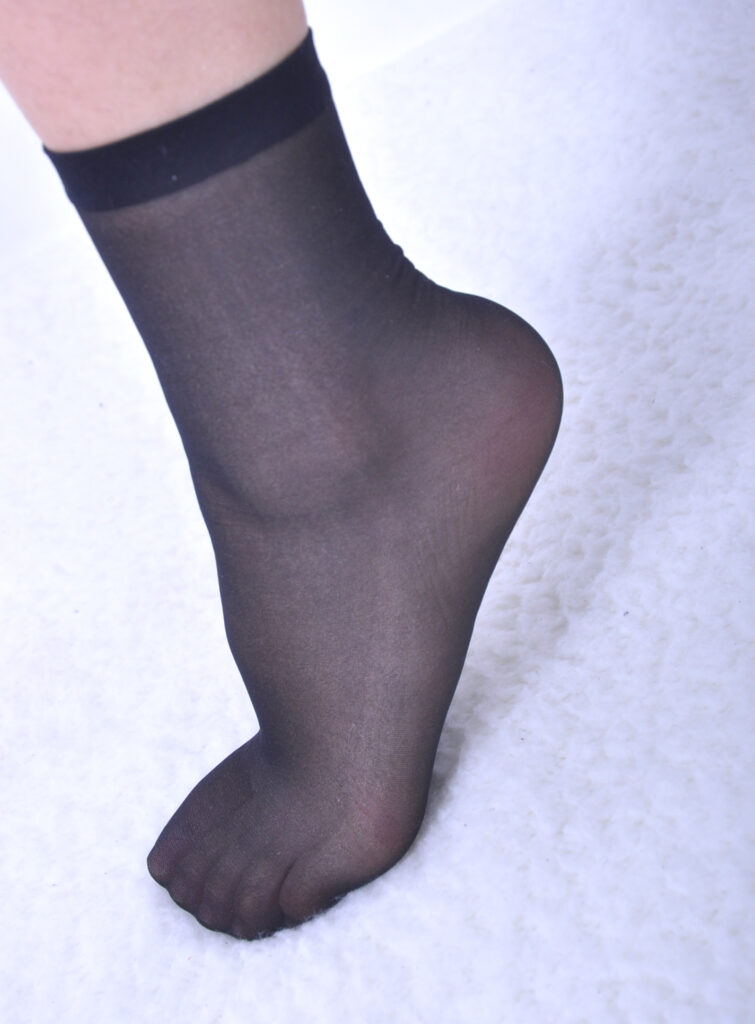
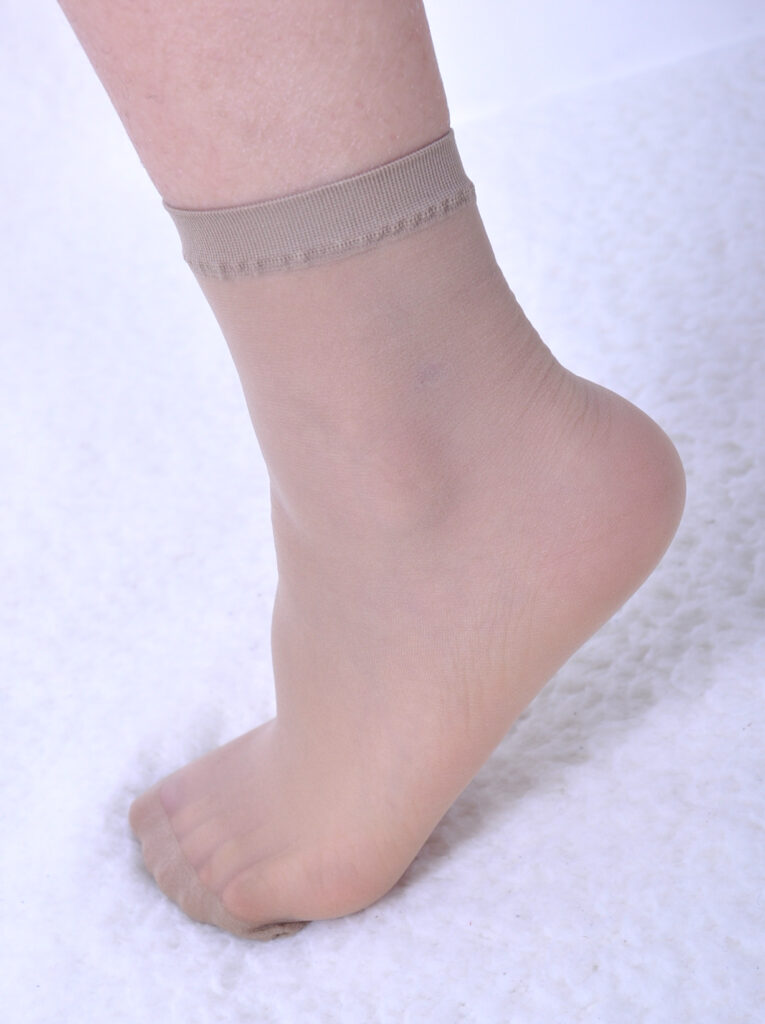
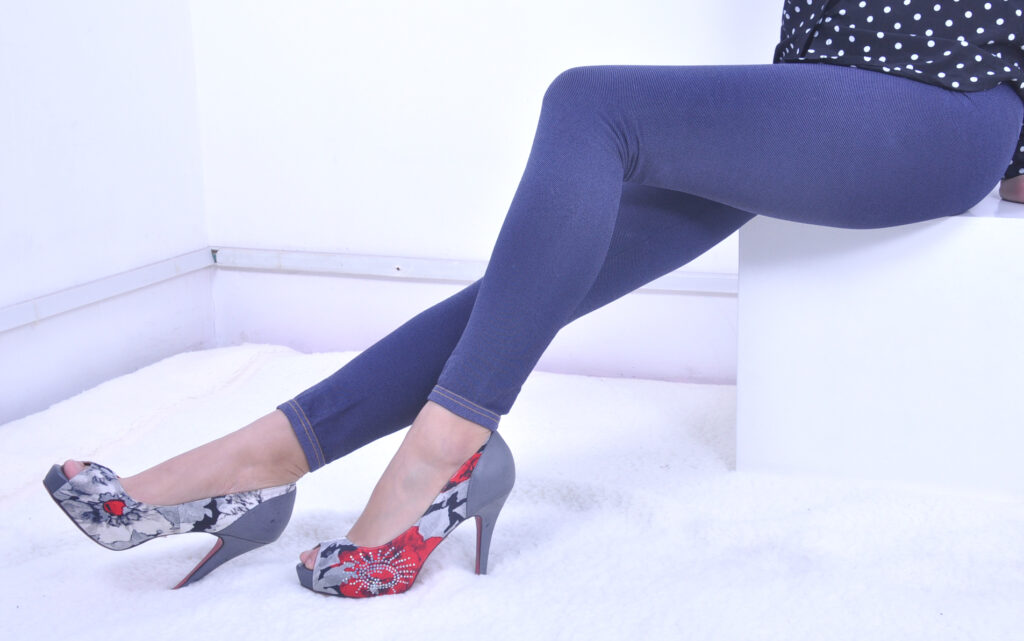
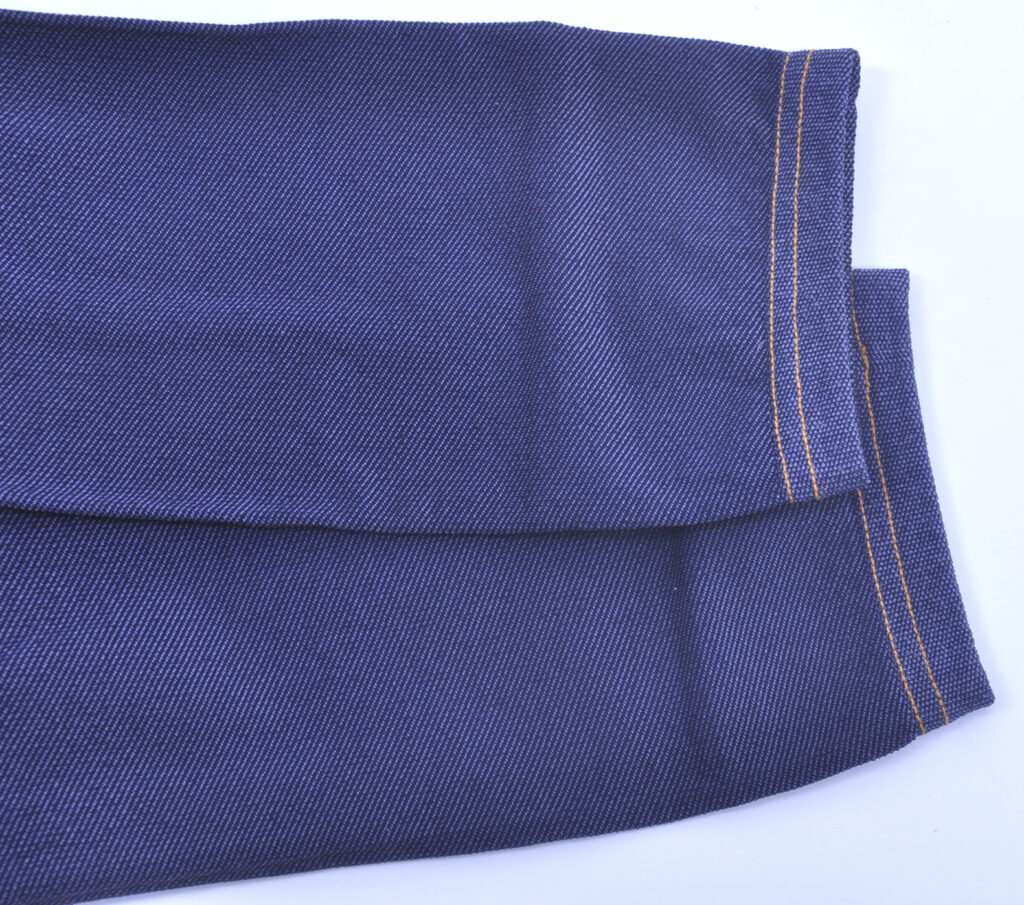
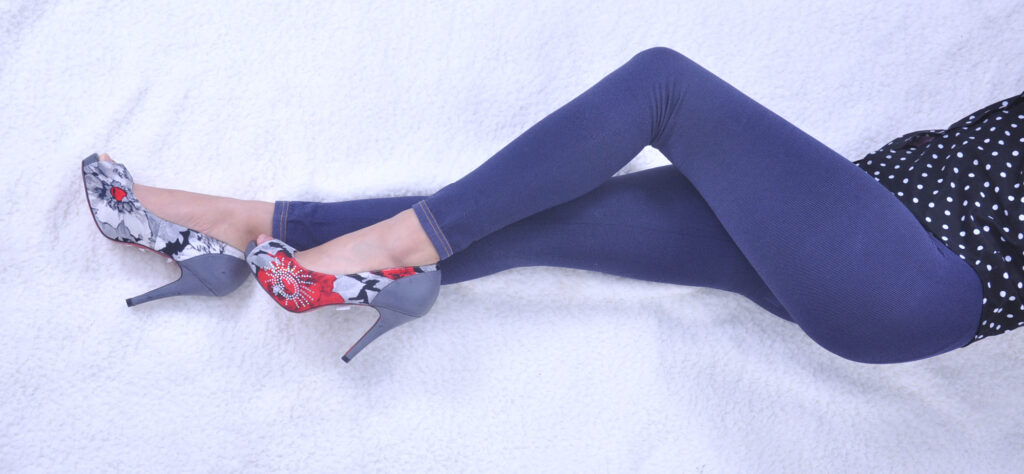
Seamless Denim Effect Tights | Stretch Fashion Leggings for Women

Upgrade everyday styling with our denim effect tights, engineered to deliver the sleek appearance of fitted jeans with the flexibility of premium hosiery. The finely textured knit creates a realistic denim finish, while the seamless construction ensures superior comfort and freedom of movement.

These versatile women’s leggings tights offer a flattering fit, lightweight feel, and contemporary fashion appeal, making them an excellent choice for retailers, brands, and private label hosiery collections.

Categories
Blog

Luxury Glossy Satin Tights | Shiny Full-Length Pantyhose

Luxury Glossy Satin Tights

Experience timeless elegance with our Luxury Glossy Satin Tights, designed to create a flawless, luminous look from waist to toe. Crafted from premium stretch hosiery fabric, these shiny tights deliver a smooth second-skin fit while enhancing the natural silhouette of the legs.

Each pair is carefully engineered with a seamless full-length construction, ensuring exceptional comfort, flexibility, and durability. The glossy satin finish reflects light beautifully, creating a sophisticated mirror-like sheen that complements both casual and evening outfits.

Available in multiple colors and customizable specifications, these fashion tights are ideal for hosiery brands, lingerie collections, department stores, and private label programs.

Features

  • Premium glossy satin tights
  • Smooth seamless pantyhose construction
  • Elegant high-shine finish
  • Soft and comfortable stretch fabric
  • Full-length footed design
  • Flattering leg-enhancing effect
  • Multiple colors available
  • OEM & ODM customization service
Categories
Blog

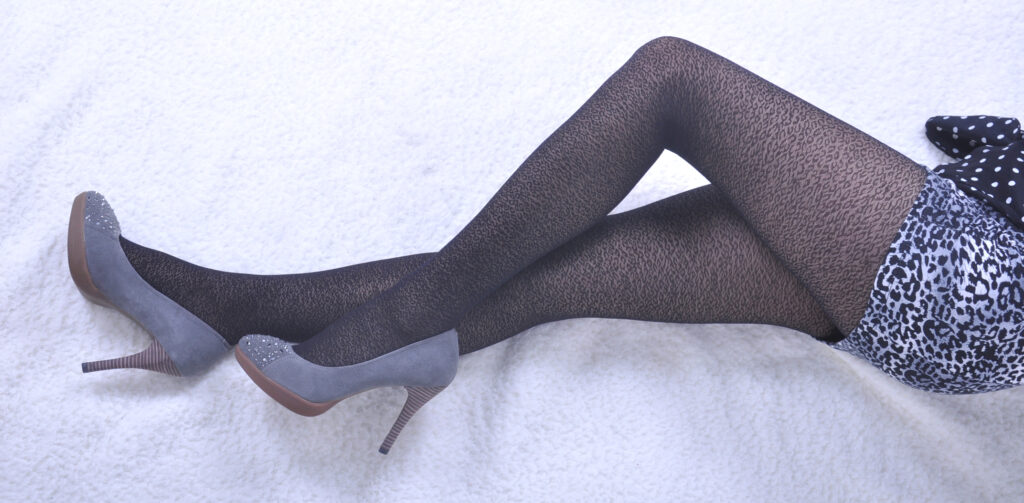
Micro Leopard Pattern Jacquard Tights | Fashion Animal Print Tights

Micro Leopard Pattern Jacquard Tights

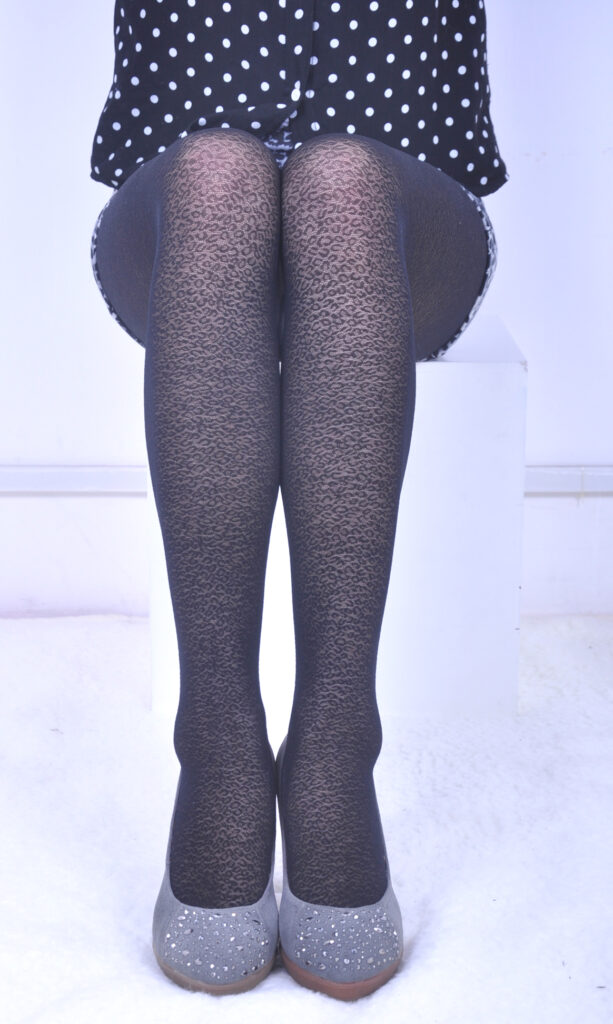
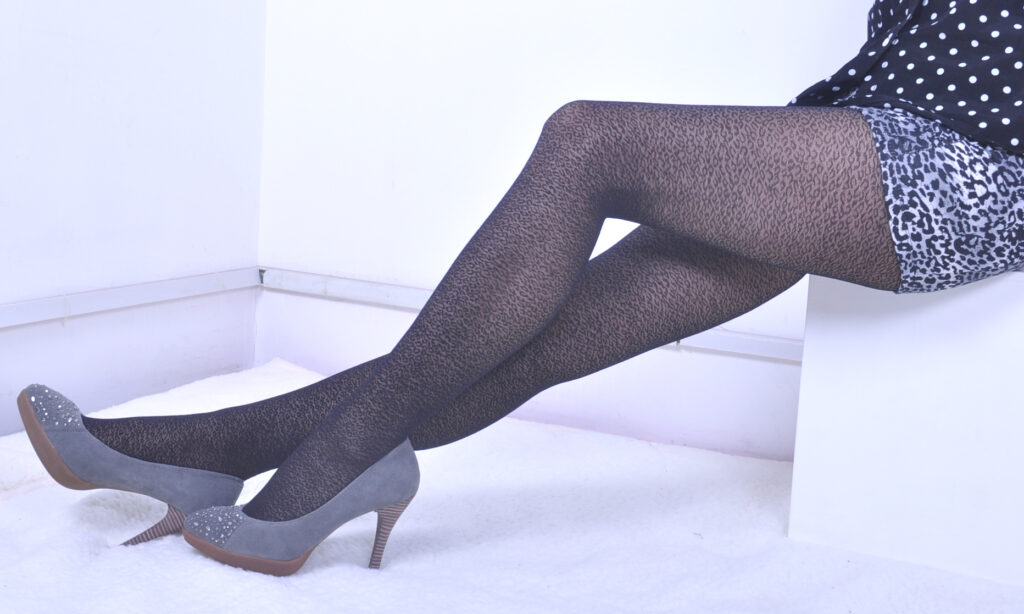
Elevate everyday styling with our sophisticated Micro Leopard Pattern Jacquard Tights, designed to combine subtle texture with timeless fashion appeal. Featuring an all-over animal-inspired pattern, these fashion tights create a refined statement while remaining versatile enough for daily wear.

Crafted using advanced knitting technology, the intricate micro leopard design is seamlessly integrated into the fabric, ensuring long-lasting pattern definition and exceptional comfort. The soft stretch construction provides a smooth fit from waist to toe, while the wide comfort waistband offers excellent support throughout the day.

Available in multiple colors and customizable specifications, these patterned tights are ideal for fashion retailers, lingerie brands, department stores, and private label hosiery collections.

Features
Elegant micro leopard pattern jacquard design
Soft and comfortable stretch fabric
Wide waistband for enhanced comfort
Seamless all-over animal print effect
Durable knitted pattern with excellent elasticity
Available in multiple colors and denier options
OEM & ODM customization available
Suitable for fashion, casual, and seasonal collections

Categories
Blog

What Really Happens When a Tight Starts to Run? A microscopic look at why some tights ladder — and others don’t

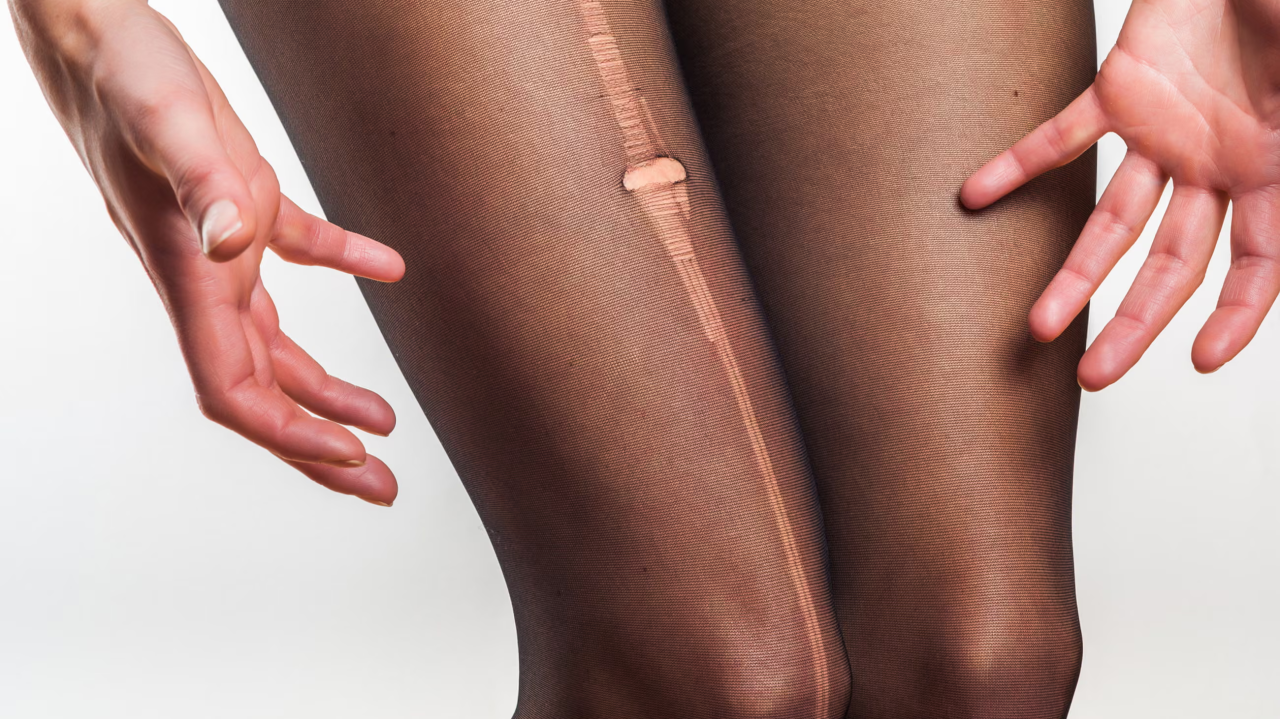
Almost every wearer of sheer tights has experienced the same moment.

A small snag.

A sharp fingernail.

The corner of a chair.

A tiny damage point appears on the surface.

And within seconds, a ladder begins travelling up the leg.

For decades, the hosiery industry has worked to solve this problem. Today, most consumers are familiar with the concept of “Run Resist” tights, and many brands offer them as part of their collections.

But what actually makes a Run Resist tight different from a regular tight?

To answer that question, we decided to look much closer.

Literally.

What Happens Inside a Regular Tight?

When a regular sheer tight is damaged, the yarn loops that form the knitted structure begin to lose their connection.

As one loop releases, it pulls on the next.

Then the next.

Then the next.

The result is the familiar ladder that can quickly travel across a large area of the garment.

Article content

Under a microscope, this process becomes surprisingly clear.

The damaged area reveals a chain reaction of released loops. Once the structure loses its stability, there is very little to stop the run from continuing.

Article content

Why Doesn’t a Run Resist Tight Behave the Same Way?

Now let’s look at a Run Resist tight.

At first glance, the damage may look similar.

A snag still occurs.

A hole may still appear.

But something important changes.

The damage remains localized.

Instead of spreading across the leg, it stays within a limited area.

Article content

Under magnification, the reason becomes visible.

The loops directly affected by the damage are broken, but the surrounding loops remain locked together. The chain reaction never fully develops.

Article content

So where does that difference come from?

The answer is hidden inside the yarn itself.

The Secret Isn’t Visible From the Outside

Run Resist tights are typically knitted using covered yarns.

From the outside, these yarns look almost identical to those used in many conventional sheer tights.

Article content

Under magnification, both constructions appear remarkably similar.

A central elastane filament sits inside a nylon covering layer.

To the naked eye, there is no obvious clue that one yarn will produce a Run Resist product and the other will not.

Article content

The difference lies inside the elastane core.

Run Resist constructions use a special elastane designed to react under elevated heat conditions.

Before heat treatment, the yarn itself looks almost identical to conventional covered yarn.

The transformation happens later.

The Difference Starts Earlier Than Most People Think

At this point, it’s tempting to assume that Run Resist performance is created entirely during the final heat-setting process.

But an important difference already exists before boarding even begins.

Both yarn types are knitted into greige tights using circular hosiery knitting machines.

Article content

From the outside, the unfinished products look remarkably similar.

Article content

Under magnification, however, a different story emerges.

In a typical sheer tight, the knitted structure is usually formed by a combination of two yarn systems.

Some loops are created by pure nylon yarns.

Others are formed by covered yarns containing elastane.

Under the microscope, these two yarn types can be distinguished quite clearly.

The transparent and cleaner-looking loops are pure nylon.

The loops showing the wrapped filament structure are covered yarns.

Article content

A Run Resist construction often looks very different.

Instead of combining pure nylon loops with covered yarn loops, the structure is predominantly formed using covered yarn throughout the fabric.

Under magnification, almost every loop displays the characteristic wrapped structure of covered yarn.

Article content

This turns out to be an important foundation for what happens later.

Because when the garment enters the high-temperature boarding stage, there are simply far more potential bonding points available throughout the knitted structure.

The heat-setting process may create the bonds.

But the opportunity for those bonds is already designed into the fabric from the very beginning.

The Most Important Step Happens After Knitting

After knitting, both regular tights and Run Resist tights follow a very similar production route.

They are sewn.

They are dyed.

They are boarded.

At first glance, the processes appear nearly identical.

However, one critical difference exists during boarding.

Conventional sheer tights are typically boarded at temperatures intended to smooth and stabilize the fabric.

Run Resist tights require significantly higher temperatures.

And this is where the real transformation occurs.

Article content

Under these elevated temperatures, the special elastane within the covered yarn begins to soften and partially melt.

At the points where neighboring loops touch each other, microscopic bonding points begin to form.

Instead of simply crossing over one another, the yarns become connected.

Thousands of times.

Across the entire garment.

Looking 500 Times Closer

Under higher magnification, these bonding points become visible.

In a Run Resist construction, neighboring yarns show evidence of thermal bonding where the softened elastane has fused at contact points.

Article content

A conventional sheer tight shows no such change.

The yarns simply cross over one another without forming permanent connections.

Article content

This microscopic difference creates a completely different behavior when damage occurs.

In a regular tight, a released loop can continue pulling neighboring loops apart.

In a Run Resist tight, the surrounding bonding points act like thousands of tiny anchors distributed throughout the structure.

A damaged area can still occur.

But the damage struggles to travel beyond the immediate zone.

A Different Way to Think About Run Resistance

Consumers see a tight that doesn’t ladder.

Designers see a product feature.

Developers see a performance claim.

Under the microscope, it’s actually a network of thousands of microscopic bonding points working together to contain damage.

What I find fascinating is that none of this is visible from the outside.

Two tights can look almost identical on a hanger.

The difference only becomes clear after a snag occurs.

Or when you look 500 times closer.

Sometimes the biggest performance differences in hosiery are hidden in places consumers will never see.

Categories
Blog

What Makes a Beautiful Backseam? A Lesson From Hosiery Development

Why do some backseam stockings look beautifully sharp and elegant…

while others look slightly fuzzy and unfinished?

At first glance, most people assume it’s a manufacturing quality issue.

In reality, the answer is often much more interesting.

Recently, while developing a collection of contrast-color backseam stockings with a brand partner, we encountered exactly this challenge.

The silhouette was right.

The fit was right.

The color contrast looked fantastic.

But the seam itself wasn’t as clean as we wanted.

Tiny fiber ends along the backseam became visible, especially under strong lighting and close-up photography.

For a premium product, those details matter.

Article content

What made the situation particularly interesting was that the issue only appeared in the contrast-color version.

The same construction in single-color stockings looked perfectly clean.

Article content

That observation immediately narrowed our investigation.

The construction itself wasn’t the problem.

The yarn combination was.

In the single-color version, both the leg and the backseam were knitted using nylon yarns and dyed together after knitting.

The finished seam appeared crisp and well-defined.

In the contrast-color version, however, the leg was knitted with nylon while the backseam used pre-dyed polyester yarn.

The product then entered a nylon dyeing process.

And that’s where material science started influencing aesthetics.

Nylon and polyester behave very differently during both knitting and dyeing.

Nylon typically offers higher elongation and better recovery.

During seam formation, the yarn can be cut more cleanly and tends to retract slightly during subsequent processing.

Polyester behaves differently.

Its lower recovery means cut fiber ends remain more exposed.

Because the yarn is already pre-dyed, it does not participate in the dyeing process in the same way, so those loose ends remain visible rather than shrinking back into the structure.

A simplified comparison:

Article content

What fascinated me about this project is that nothing was actually “wrong.”

The machine was running correctly.

The yarn quality was good.

The knitting process was stable.

Yet the final visual result was completely different because of how two fiber types behaved after production.

This is something that often gets overlooked in hosiery development.

Consumers see appearance.

Designers see color.

Developers have to understand the physics happening underneath.

Once we identified the root cause, we took a different approach.

Instead of knitting the contrast-color backseam, we moved to a sewn backseam using solution-dyed nylon yarn.

The result was exactly what we were hoping for.

A cleaner line.

Better definition.

More dimensional appearance.

And a seam that genuinely looked premium.

Article content

Unexpectedly, this approach created another opportunity.

Because the seam is applied separately, metallic yarns can also be incorporated into the construction.

That opens the door to reflective, decorative, and fashion-driven backseam effects that are difficult to achieve through conventional knitted constructions.

Article content

One thing I’ve learned over the years is that premium hosiery rarely comes from a single innovation.

More often, it comes from understanding the interaction between yarn selection, dyeing behavior, knitting construction, and finishing processes.

The smallest details are often the ones customers notice first.

And sometimes, a beautiful backseam is really a story about fiber science.

Categories
Blog

Fuchsia Lace Top Stay-Up Stockings | Sheer Nude Thigh High Stockings with Floral Embroidery

Fuchsia Lace Top Stay-Up Stockings with Floral Embroidery

Add a touch of luxury and femininity to any hosiery collection with these elegant stay-up stockings, designed with a striking fuchsia lace top and delicate floral embroidery details.

The soft sheer nude leg creates a flawless, natural-looking finish, while the wide embroidered lace band beautifully frames the thigh. Intricate floral motifs and scalloped lace edges showcase refined craftsmanship, delivering a sophisticated balance of comfort, elegance, and sensual appeal.

Made with premium stretch yarns, these thigh high stockings offer a smooth fit, lightweight feel, and excellent leg contouring. Available in multiple lace colors and custom embroidery patterns, they are an ideal choice for lingerie brands, fashion retailers, and private label hosiery collections.

Features

  • Elegant stay-up stockings
  • Wide fuchsia embroidered lace top
  • Delicate floral embroidery detailing
  • Soft scalloped lace edges
  • Sheer nude leg appearance
  • Comfortable silicone stay-up support
  • Lightweight and breathable hosiery
  • Available in black, fuchsia, red, white, ivory, navy, and custom colors
  • OEM & ODM customization available
  • Suitable for lingerie, bridal, fashion, and luxury hosiery collections
Categories
Blog

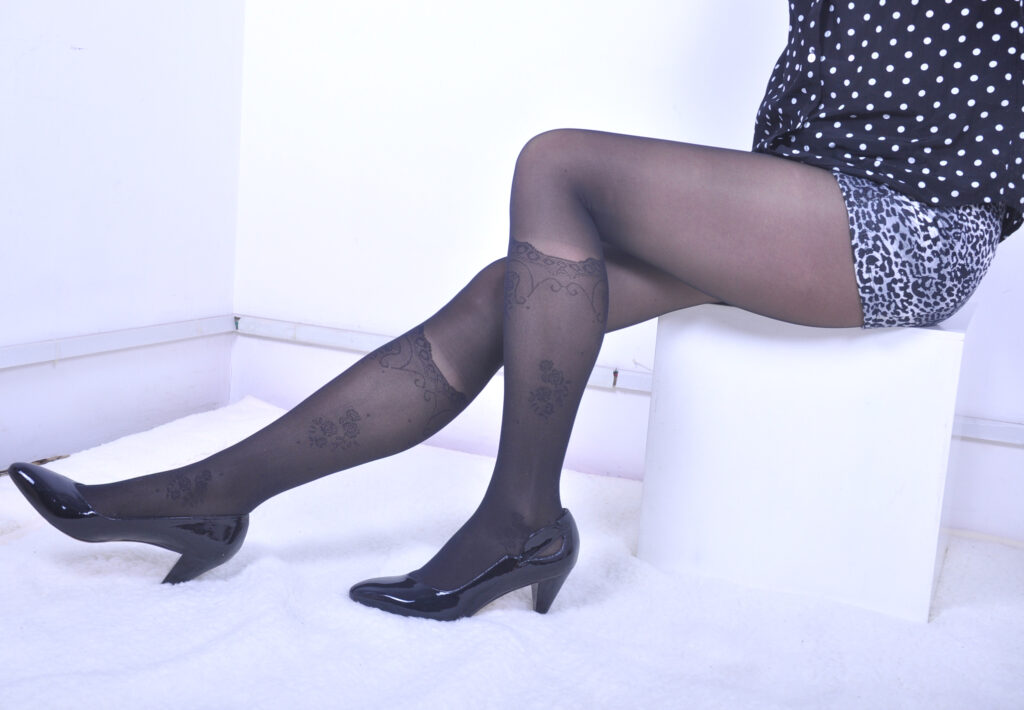
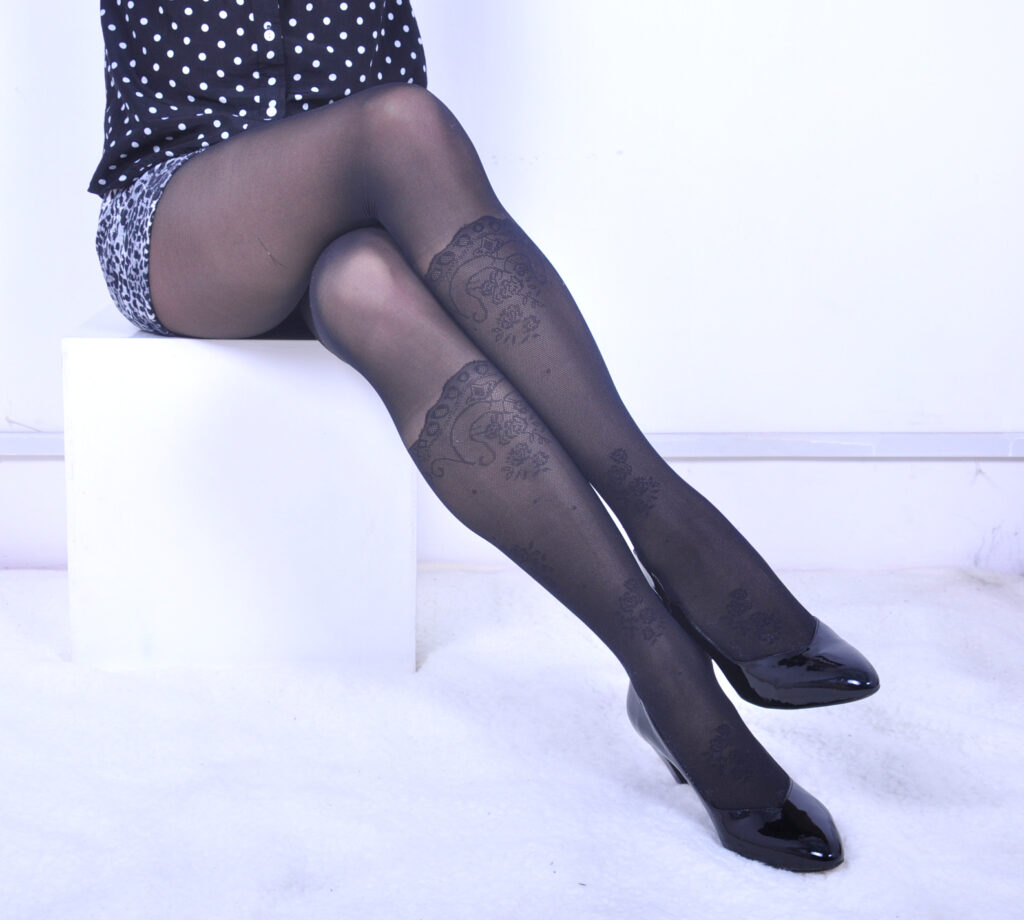
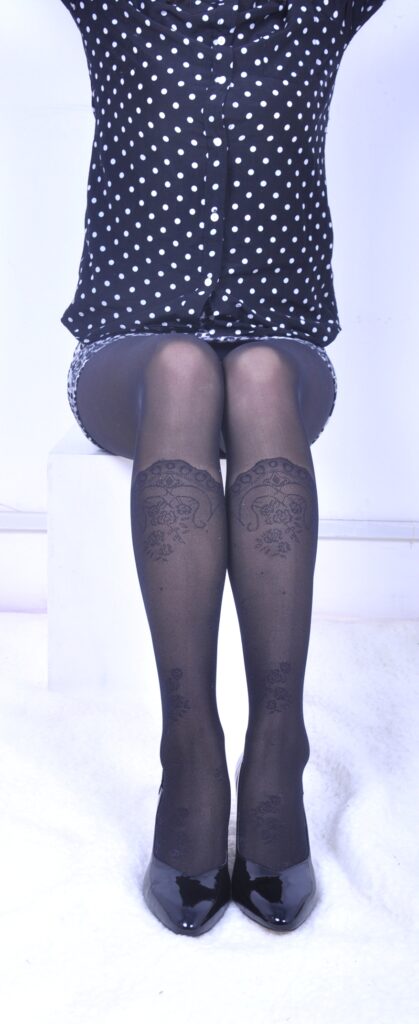
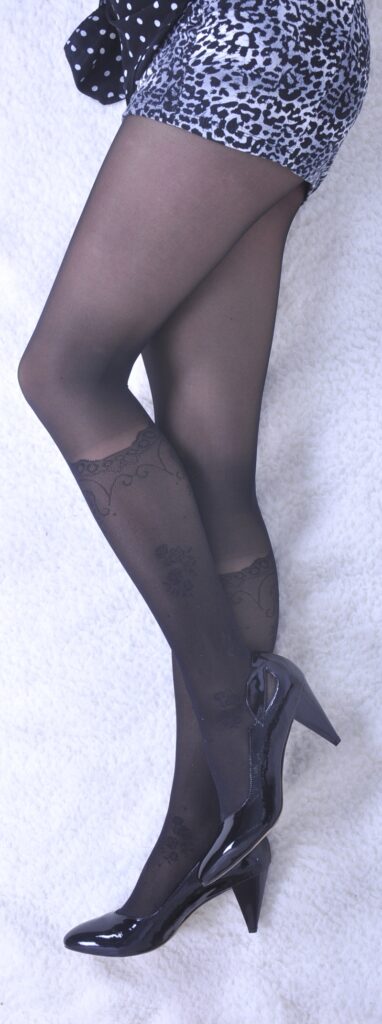
Mock Suspender Tights with Lace Stocking Effect | Sheer Patterned Fashion Tights Manufacturer

Elevate your hosiery collection with these elegant mock suspender tights, designed to create the sophisticated look of classic stockings while offering the comfort and convenience of full tights.

Crafted from soft sheer yarns, these fashion tights feature a delicate lace-inspired pattern around the knee area, combined with subtle floral motifs along the lower leg. The printed stocking effect creates a refined and feminine silhouette, making them ideal for both everyday wear and special occasions.

The lightweight construction provides excellent stretch, breathability, and a smooth fit, while the decorative stocking-style design adds timeless elegance. Available in multiple colors, deniers, and custom pattern options, these tights are perfect for fashion brands seeking unique and eye-catching hosiery collections.

Features
  • Mock suspender tights with stocking-effect design
  • Elegant lace-inspired knee pattern
  • Delicate floral motifs on lower legs
  • Soft sheer nylon tights construction
  • Comfortable stretch fit
  • Lightweight and breathable
  • Available in black, nude, grey, navy, burgundy, and custom colors
  • OEM & ODM customization available
  • Suitable for fashion retail, boutique collections, and private label hosiery